Understanding "what are common risks in medical procedures" is crucial for patients and healthcare providers. Every medical procedure carries inherent risks, whether minor or severe. It is vital to acknowledge these potential complications before proceeding.
Patients often trust their healthcare providers without fully understanding the risks involved. Awareness can lead to better decision-making. For instance, surgical procedures may result in infections, bleeding, or anesthesia reactions. Understanding these risks allows patients to engage in discussions with their doctors.
Moreover, the complexity of medical procedures means that no outcome is guaranteed. Even routine interventions can lead to unexpected challenges. Patients may reflect on their choices and consider seeking second opinions. Recognizing these common risks is essential in navigating healthcare effectively.
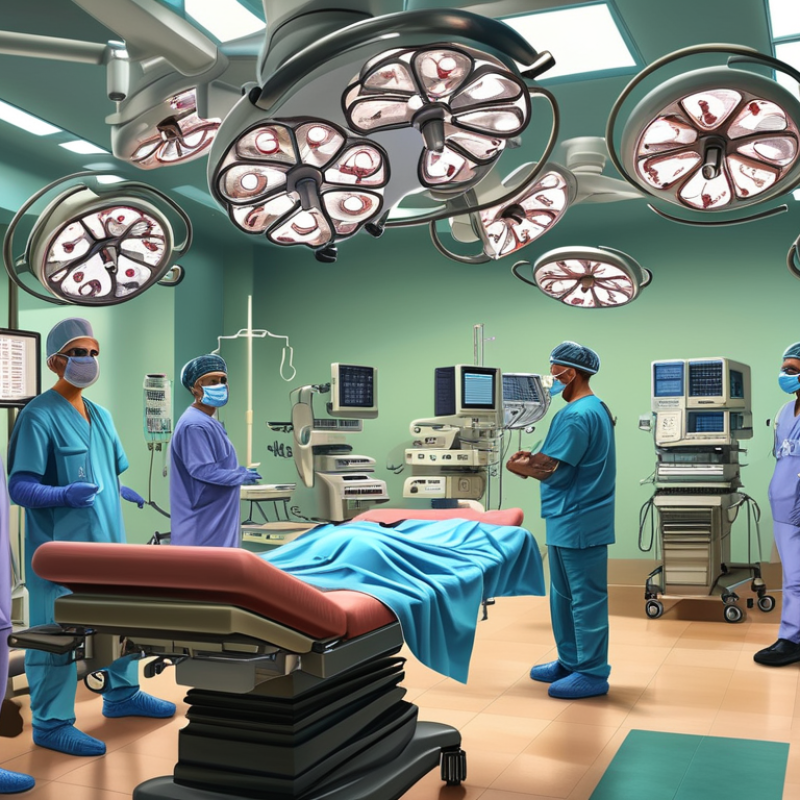
Medical procedures can offer life-saving benefits, but they also come with inherent risks. Patients should be well-informed about these risks. They include complications from anesthesia, infections, and unexpected allergic reactions. Each risk has different implications depending on the procedure and individual health factors.
Understanding these risks is crucial for making informed decisions. For instance, anesthesia can lead to breathing difficulties or heart issues, especially in high-risk patients. Infections can arise from surgical sites, leading to longer recovery times. Communication with healthcare professionals is vital for evaluating personal risk factors. Reflection on past experiences, both positive and negative, can help in assessing these risks.
Preparation for medical procedures involves more than just physical readiness. Mental preparedness plays a significant role too. Patients often feel anxious about potential outcomes. This anxiety can impact recovery. Engaging in open discussions with healthcare teams can mitigate fears and clarify what to expect. Emphasizing the importance of follow-up care is also key in managing risks effectively. Each step contributes to a safer medical journey.
Surgical procedures carry inherent risks that patients must understand. Infections are a primary concern. They can arise from various sources, such as contaminated instruments or unsterile environments.
Postoperative infections can prolong recovery and lead to severe complications. It is vital for patients to monitor the surgical site. Look for signs of redness, swelling, or unusual discharge.
Bleeding is another significant risk. It may occur during or after surgery, affecting overall health. Excessive bleeding can lead to anemia or require further procedures to correct. Patients should discuss their specific risks with their healthcare team before surgery. Understanding your medical history and any blood-clotting disorders can prevent complications.
Tips for reducing risks include maintaining good hygiene prior to surgery and following your doctor’s pre-operative instructions. Stay informed about your medication and any allergies. Create a support system for recovery. These strategies can enhance safety and improve outcomes. Recovery should be taken seriously. Realize that engaging in strenuous activities too soon can lead to further complications. Listen to your body.
Anesthesia is essential in many medical procedures. However, it carries its own set of risks and potential side effects. Understanding these can help patients make informed decisions. Common anesthesia-related risks include allergic reactions, respiratory issues, and cardiovascular problems. These complications can arise unexpectedly, even in healthy individuals.
Patients may experience short-term side effects like nausea and confusion. These effects often resolve quickly but can cause discomfort. It's crucial to discuss any existing medical conditions with your healthcare provider. A thorough evaluation can minimize risks. Some patients may face long-lasting issues, such as chronic pain or changes in cognitive function. These effects are less common but require awareness.
Anesthesia awareness is a rare phenomenon where patients become conscious during surgery. This experience can be distressing and leave psychological scars. Communication with the medical team is vital to address concerns. Sharing your anxiety about anesthesia can lead to better management strategies tailored to your needs. Be proactive in your care; your well-being is paramount.
| Risk Factor | Description | Potential Impact | Frequency |
|---|---|---|---|
| Allergic Reactions | Adverse responses to anesthetic agents. | Mild to severe reactions, can be life-threatening. | 1 in 10,000 |
| Nausea and Vomiting | Postoperative nausea caused by anesthesia. | Discomfort, may prolong recovery time. | 30% in adults |
| Respiratory Complications | Difficulty breathing or airway issues during or after surgery. | Requires immediate intervention, can be fatal. | 1 in 1,000 |
| Cardiovascular Events | Heart attack or irregular heartbeats caused by anesthesia. | Serious complications, may lead to hospitalization. | 1 in 5,000 |
| Neurological Effects | Temporary or permanent damage to the nervous system. | Possible long-term disability. | 1 in 10,000 |
| Infection | Possibility of infection at the site of injection or surgery. | Increased recovery time, potential for severe illness. | 1 in 100 |
| Anesthesia Awareness | Feeling or being aware of surroundings during surgery. | Psychological trauma, anxiety after experience. | 1 in 1,000 |
| Malignant Hyperthermia | Severe reaction to certain anesthetics, causing rapid temperature increase. | Requires emergency treatment, can be fatal. | 1 in 20,000 |
| Urinary Retention | Inability to urinate after anesthesia administration. | Discomfort, may require catheterization. | 1 in 300 |
| Delayed Recovery | Longer than expected time to wake from anesthesia. | Increased hospital stay, potential complications. | 1 in 1,000 |
Allergic reactions to medications and materials pose significant risks in medical procedures. An estimated 10% of patients experience such reactions, according to a report by the American Academy of Allergy, Asthma & Immunology. These reactions can range from mild rashes to severe anaphylaxis, highlighting the importance of thorough patient assessments before procedures.
The materials used in medical environments, including latex and certain pharmaceuticals, are common culprits. Research indicates that around 5% of healthcare workers have a latex allergy. This affects not just patients but also staff who unknowingly come into contact with allergens. Medical professionals must stay informed about potential allergens and their prevalence.
A systematic review found that up to 30% of drug allergies are unrecognized, leading to complications during treatments. Medical facilities are continuously improving their practices, but there is often room for greater awareness and education. It is essential for healthcare providers to balance efficiency with careful drug selections and patient histories to mitigate these risks.
Diagnostic procedures are vital in identifying health conditions, but they also carry significant risks. Two major risks include false positives and false negatives. A false positive occurs when a test indicates a condition is present, while it is not. This can lead to unnecessary anxiety and invasive follow-up tests. Conversely, a false negative can give a sense of relief, but may delay appropriate treatment for a serious condition.
To minimize these risks, it’s essential to choose the right diagnostic tests. Consult with a qualified healthcare professional who understands your medical history. They can recommend the most accurate tests for your situation. Always discuss potential risks and benefits before proceeding.
Communication is key. Make sure to ask questions if results are unclear. Don’t hesitate to seek a second opinion. Being proactive about your health can help prevent the negative impacts of inaccurate results. Remember, no medical procedure is without risk, but informed decisions can significantly reduce those risks.
: Medical procedures carry risks like anesthesia complications, infections, and allergic reactions. Each risk varies per individual.
Anesthesia may lead to breathing difficulties, heart issues, or allergic reactions. These risks can impact healthy individuals too.
Patients must watch for signs of infections, such as redness, swelling, or unusual discharge at the surgical site.
Anxiety about outcomes can hinder recovery. Open discussions with healthcare teams help alleviate fears and clarify expectations.
Maintain hygiene, follow pre-operative instructions, and understand allergies. Create a support system for a better recovery.
Common side effects include nausea and confusion. While these are usually short-term, they can be uncomfortable.
Anesthesia awareness occurs when patients are conscious during surgery. It can be distressing and lead to psychological effects.
Discuss medical history and health conditions with healthcare providers. Being proactive can help minimize complications.
Reflecting on previous experiences, good and bad, helps in assessing and understanding personal health risks.
Follow-up care is crucial. It helps manage risks and ensures all post-operative issues are addressed properly.
Understanding what are common risks in medical procedures is essential for patients undergoing any form of healthcare intervention. This article outlines various types of risks, starting with surgical risks such as infections, excessive bleeding, and other complications that may arise during or post-surgery. Additionally, anesthesia-related risks and side effects, which can include respiratory issues or allergic reactions, are crucial considerations for patients.
Furthermore, the article discusses the risk of allergic reactions to medications and materials used in procedures, highlighting the importance of providing medical history to healthcare providers. Finally, it addresses the potential for diagnostic procedure risks, including false positives and negatives, which can lead to misdiagnosis or unnecessary anxiety. Being aware of these risks allows patients to engage in informed discussions with their healthcare professionals, ultimately contributing to better health outcomes.
RosMed Medical