10 Essential Tips for Maintaining Hygiene in Medical Procedures?

Time:2026-04-02 Author:Amelia
0%

Maintaining hygiene in medical procedures is paramount for patient safety and care quality. The World Health Organization (WHO) estimates that around 1 in 10 patients is affected by healthcare-associated infections (HAIs). Strict hygiene practices can significantly reduce these risks. Understanding how to maintain hygiene in medical procedures benefits healthcare professionals, patients, and institutions.

Regular handwashing is foundational. Studies show that proper hand hygiene can reduce HAIs by up to 40%. Moreover, the use of personal protective equipment (PPE) and sterilization of instruments plays a crucial role in infection control. Yet, despite these measures, breaches in protocol often occur, leading to preventable infections.

Training staff on hygiene protocols remains essential. Hospitals report that ongoing education reduces infection rates. However, not all staff adhere to guidelines consistently. Emphasizing the importance of hygiene can save lives but requires collective commitment. Effective communication about hygiene practices fosters a safer environment. Overall, strong hygiene measures are vital in medical settings, but the journey towards perfection is ongoing.
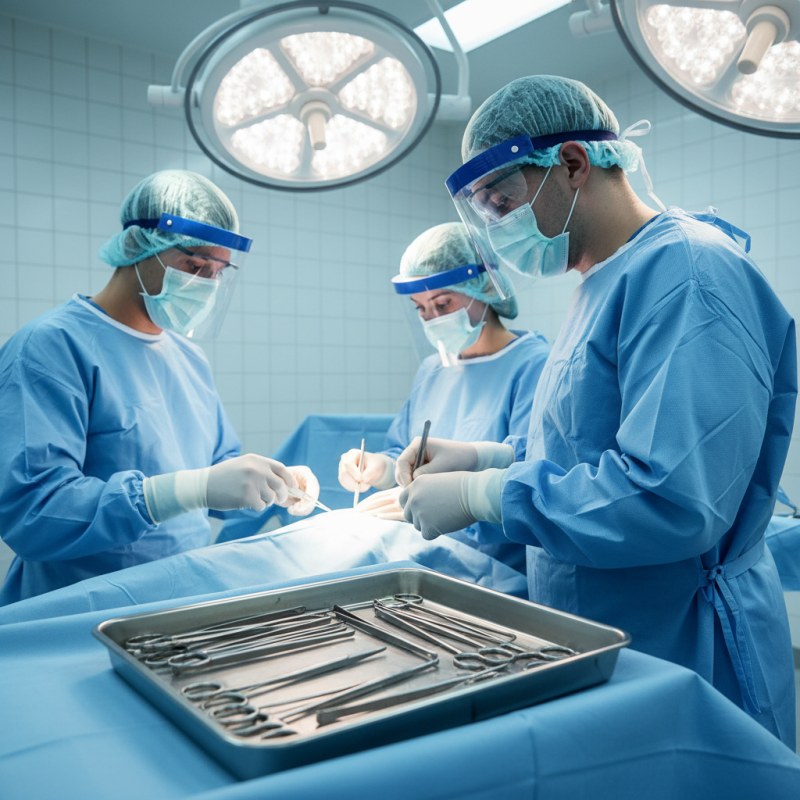
10 Essential Tips for Maintaining Hygiene in Medical Procedures?

Understanding the Importance of Hygiene in Medical Procedures

Hygiene in medical procedures is crucial for patient safety. Understanding its importance can save lives and prevent infections. Healthcare professionals must prioritize cleanliness. Every step in a procedure presents opportunities for contamination. Therefore, maintaining high hygiene standards is non-negotiable.

Consider these tips for effective hygiene during medical procedures. Hand hygiene is foundational. Washing hands with soap and water or using an alcohol-based sanitizer is vital before any task. Use personal protective equipment (PPE) consistently. Gowns, gloves, and masks create barriers against pathogens. Changing gloves between procedures can help minimize cross-contamination.

Another area to focus on is tool sterilization. Surgical instruments must be properly cleaned and sterilized after each use. Disinfecting surfaces in the medical facility is also essential. Maintaining a clean environment reduces the risk of hospital-acquired infections. Reflection is key; regularly assess your hygiene practices and seek improvements. Even the smallest oversight can lead to serious consequences in a medical setting.

10 Essential Tips for Maintaining Hygiene in Medical Procedures

Tip No. Hygiene Tip Importance Best Practice
1 Hand Hygiene Prevents infection transmission Wash hands with soap and water or use hand sanitizer
2 Personal Protective Equipment (PPE) Protects both patient and healthcare provider Wear gloves, masks, and gowns correctly
3 Sterilization of Instruments Eliminates pathogens on tools Use autoclaves for surgical instruments
4 Cleanliness of the Environment Reduces contamination risk Regularly disinfect surfaces and equipment
5 Proper Waste Disposal Prevents biohazard exposure Use labeled bins for hazardous waste
6 Patient Preparation Enhances success of procedures Ensure patients clean their skin before procedures
7 Educating Staff Promotes consistent hygiene practices Conduct regular training sessions
8 Monitoring Compliance Ensures adherence to hygiene protocols Implement observation and feedback systems
9 Procedure Protocols Standardizes hygiene practices Develop and follow established protocols
10 Feedback from Patients Improves hygiene practices Encourage and act on patient feedback

Key Hygiene Practices Before Starting Medical Procedures

Maintaining hygiene in medical procedures isn't just essential—it's a life-saving practice. According to the World Health Organization (WHO), poor hygiene can lead to healthcare-associated infections in over 2 million patients annually in the U.S. alone. Before starting any medical procedure, certain key hygiene practices should be strictly followed to ensure patient safety.

One crucial step is hand hygiene. Medical professionals should wash their hands thoroughly with soap and water for at least 20 seconds or use an alcohol-based hand sanitizer. Studies show that this simple act can reduce infection transmission by up to 50%.

Another important practice is the proper disinfection of surfaces and equipment. High-touch areas must be cleaned with approved disinfectants. Research indicates that failure to properly disinfect medical tools can lead to increased infection rates, prompting the need for regular audits.

Additionally, wearing personal protective equipment (PPE) is vital. Masks, gloves, and gowns serve as barriers against contaminants. Experts recommend changing PPE between patients to minimize cross-contamination risks. Each of these hygiene practices helps build a safer environment for both patients and healthcare providers.

Essential Personal Protective Equipment for Healthcare Workers

In the realm of healthcare, personal protective equipment (PPE) is paramount. Healthcare workers face various risks daily, making effective PPE essential. Items like gloves, masks, and gowns create layers of defense. These not only protect workers but also ensure patient safety during procedures. The importance of wearing appropriate PPE cannot be overstated.

However, despite being trained, some healthcare workers might forget to use every piece of PPE. This lapse can lead to unsafe situations. Proper donning and doffing techniques need regular reminders. For instance, removing gloves without contamination requires practice and focus. Each step must be deliberate. Even the best gear is only as effective as how it's used.

Moreover, training should include scenarios reflecting real-life challenges. Workers should be encouraged to share their experiences. Discussing mistakes can lead to better practices. Team huddles can strengthen communication about PPE compliance. The goal is to create a culture of safety within healthcare environments. Continuous learning about PPE is crucial. Each shift provides new lessons in maintaining hygiene and safety for both workers and patients.

Techniques for Proper Hand Hygiene and Sanitization

Maintaining proper hand hygiene is vital in medical procedures, as it directly impacts patient safety. According to the World Health Organization, approximately 1.5 million people worldwide suffer from healthcare-associated infections daily. Proper hand sanitization techniques can significantly reduce these risks. Studies show that handwashing can decrease infection rates by up to 50%.

Hand hygiene isn't merely washing with soap and water. It involves using antibacterial gels when necessary, particularly in environments where soap isn't available. The Centers for Disease Control and Prevention emphasizes that hand sanitizer should contain at least 60% alcohol. Using alcohol-based sanitizers effectively kills a broad spectrum of germs. However, reliance on sanitizers alone isn't enough; thorough handwashing is still essential.

In practice, healthcare professionals often overlook hand hygiene during busy shifts. Time constraints make them prioritize tasks over sanitation. Awareness of this oversight is crucial for improving practices. Simple reminders placed near sinks can help reinforce the habit. Implementing regular training on proper techniques is necessary. Despite advancements in products, consistent application of guidelines remains a challenge in many healthcare settings.

Disinfection and Sterilization Methods for Medical Tools and Surfaces

In medical settings, the use of disinfection and sterilization methods is critical. Effective sterilization can reduce the risk of healthcare-associated infections (HAIs), which affect 1 in 31 hospital patients daily, according to the Centers for Disease Control and Prevention (CDC). This underscores the importance of maintaining rigorous hygiene standards.

Disinfection involves eliminating many or all pathogenic microorganisms on surfaces or instruments. Common methods include chemical disinfectants and ultraviolet (UV) light. For high-touch surfaces, an EPA-approved disinfectant should be used regularly. It is essential to follow manufacturer's instructions on contact time for maximum efficacy.

A critical tip is to ensure all medical tools are sterilized between uses. Autoclaving is a widely accepted method for sterilization, achieving high temperatures and pressure to eliminate spores effectively. Implementing tool tracking can help monitor the sterilization process. Regular staff training on hygiene practices is vital, too. Many facilities overlook this, leading to lapses that compromise patient safety.

In addition, cleaning surfaces should not be a diluted effort. Routine cleaning before disinfection is necessary. Surfaces should be free of blood, bodily fluids, and debris. This immediate attention helps improve the effectiveness of disinfectants. Regular audits of hygiene practices can reveal areas for improvement, ensuring that safety remains a top priority in medical procedures.

10 Essential Tips for Maintaining Hygiene in Medical Procedures

FAQS

: Why is PPE important for healthcare workers?

: PPE protects healthcare workers from daily hazards and ensures patient safety during procedures.

What happens if PPE is not used correctly?

Forgetting to use PPE can create unsafe situations and increase infection risks.

How can healthcare workers improve their PPE use?

Regular training and reminders about proper donning and doffing techniques are essential.

What methods are used for disinfection in medical settings?

Common methods include chemical disinfectants and ultraviolet (UV) light based on surface needs.

How should medical tools be sterilized?

Tools should be autoclaved between uses to ensure they are free from harmful spores.

What can compromise patient safety regarding hygiene?

Neglecting regular staff training and proper cleaning protocols can lead to significant risks.

How can surfaces be effectively cleaned before disinfection?

Surfaces must be free of blood, fluids, and debris to enhance disinfectant effectiveness.

Are audits helpful for maintaining hygiene in healthcare?

Yes, regular audits can identify lapses and highlight improvement areas for better safety measures.

What role do team discussions play in PPE compliance?

Sharing experiences and mistakes promotes better practices and strengthens safety culture among teams.

Why is continuous learning about hygiene practices important?

Each shift brings new challenges; ongoing education helps ensure high standards in safety and hygiene.

Conclusion

Maintaining hygiene in medical procedures is crucial for preventing infections and ensuring patient safety. This involves understanding the importance of cleanliness in clinical settings, which begins with implementing key hygiene practices prior to any medical intervention. Healthcare workers must utilize essential personal protective equipment (PPE) to safeguard both themselves and their patients.

Furthermore, effective hand hygiene and sanitization techniques are vital in minimizing the risk of contamination. Proper disinfection and sterilization methods for medical instruments and surfaces should also be employed to uphold high standards of hygiene. By knowing how to maintain hygiene in medical procedures, healthcare professionals can significantly contribute to better health outcomes and reduce the likelihood of healthcare-associated infections.

Amelia

Amelia

Amelia is a seasoned marketing professional with a wealth of expertise in our company’s core offerings. With an unwavering passion for driving growth and innovation, she plays a pivotal role in shaping our marketing strategies and enhancing brand visibility. A key aspect of her responsibilities......