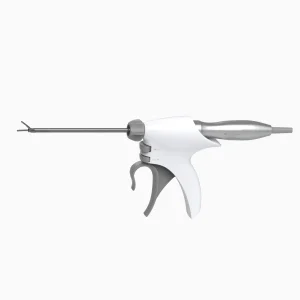
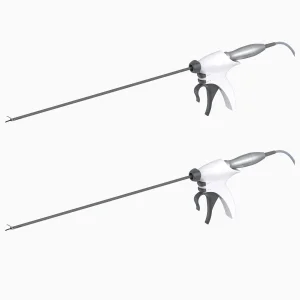
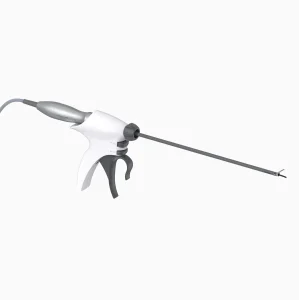
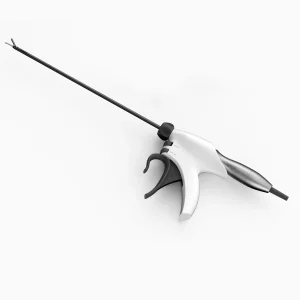
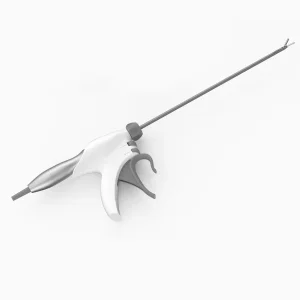
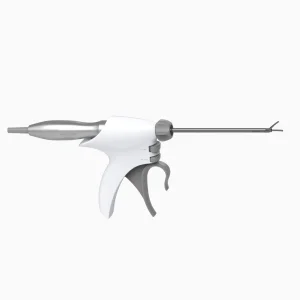
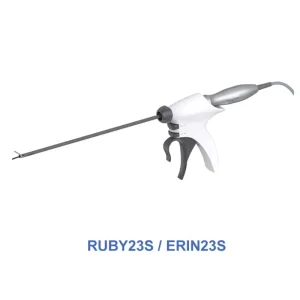
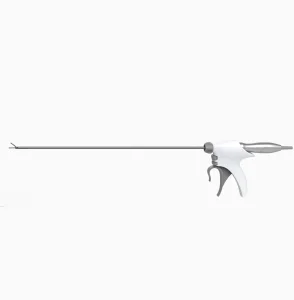
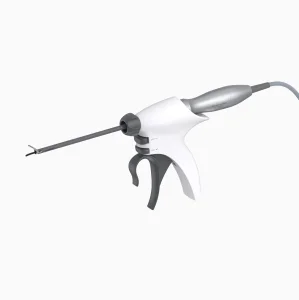
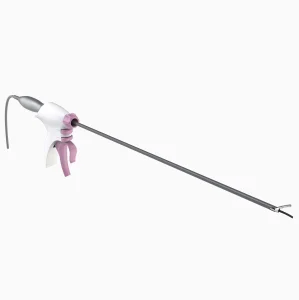
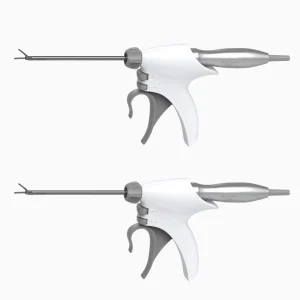
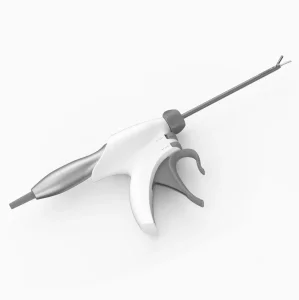
The global healthcare landscape is undergoing a seismic shift. Telehealth platforms are no longer just about video consultations; they have evolved into comprehensive Digital Health Ecosystems. As a leading OEM/ODM manufacturer, we recognize that the integration of advanced surgical hardware—like our ultrasonic scalpel systems—with remote monitoring and diagnostic software is the future of medicine.
Currently, the market is expanding at a CAGR of over 24%, driven by the need for decentralized care. From robotic-assisted remote surgeries to AI-driven patient management, the demand for high-precision medical instruments that can interface with digital platforms is at an all-time high. We stand at the intersection of traditional manufacturing excellence and modern digital innovation.
Integration of artificial intelligence to analyze surgical data in real-time, providing surgeons with predictive insights during complex procedures.
Ultra-low latency communication enabling remote telesurgery where specialists can guide local teams using high-definition surgical feeds.
Connecting every medical device to a central cloud, ensuring that instruments like ultrasonic scalpels are always calibrated and monitored.
Modern healthcare facilities are seeking "Turnkey Solutions." They don't just want a scalpel; they want a system that integrates with their Electronic Health Records (EHR) and supports remote training for junior surgeons.
Developing nations are investing heavily in telehealth to bridge the gap between urban specialists and rural patients. Our cost-effective OEM solutions are perfect for large-scale public health tenders.
Localized Scenarios: In North America, the focus is on Post-Operative Remote Monitoring to reduce hospital readmission. In Southeast Asia, the priority is Mobile Health Units equipped with portable surgical tools. Our ODM services allow for deep customization of hardware and software interfaces to meet these specific regional regulatory and cultural requirements.
Located in Hangzhou, the heart of China's tech hub, we have immediate access to high-grade raw materials and electronic components, ensuring zero delays in production.
Our engineering team can take a concept to a functional prototype in 40% less time than Western competitors, allowing you to hit market windows faster.
By optimizing manufacturing processes and leveraging economies of scale, we provide CE and FDA-compliant medical devices at a fraction of the traditional cost.
Hangzhou RosMed Medical Co., Ltd. is a professional China medical consumables supplier specializing in disposable medical plastics, surgical non-woven products, and respiratory solutions. Since its establishment, RosMed has been committed to delivering safe, reliable, and high-quality healthcare products to global markets.
Over the years, the company has evolved from a focused manufacturer of basic disposable medical supplies into a comprehensive provider of integrated healthcare solutions. Through continuous investment in research and development, RosMed has expanded its product portfolio to cover urology consumables, anesthesia accessories, respiratory support components, and a wide range of non-woven and plastic medical products.
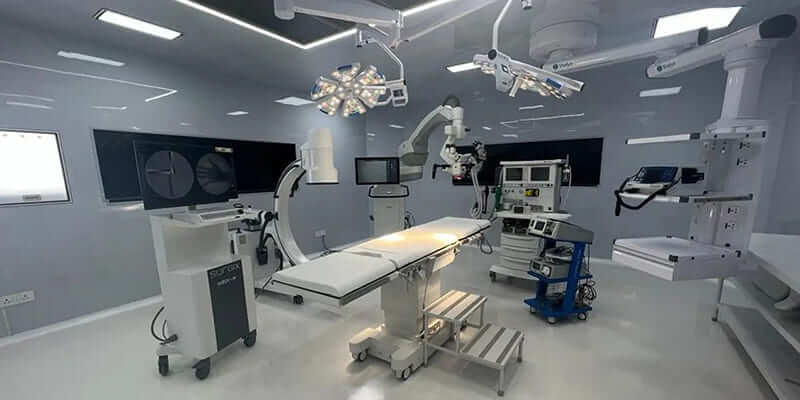
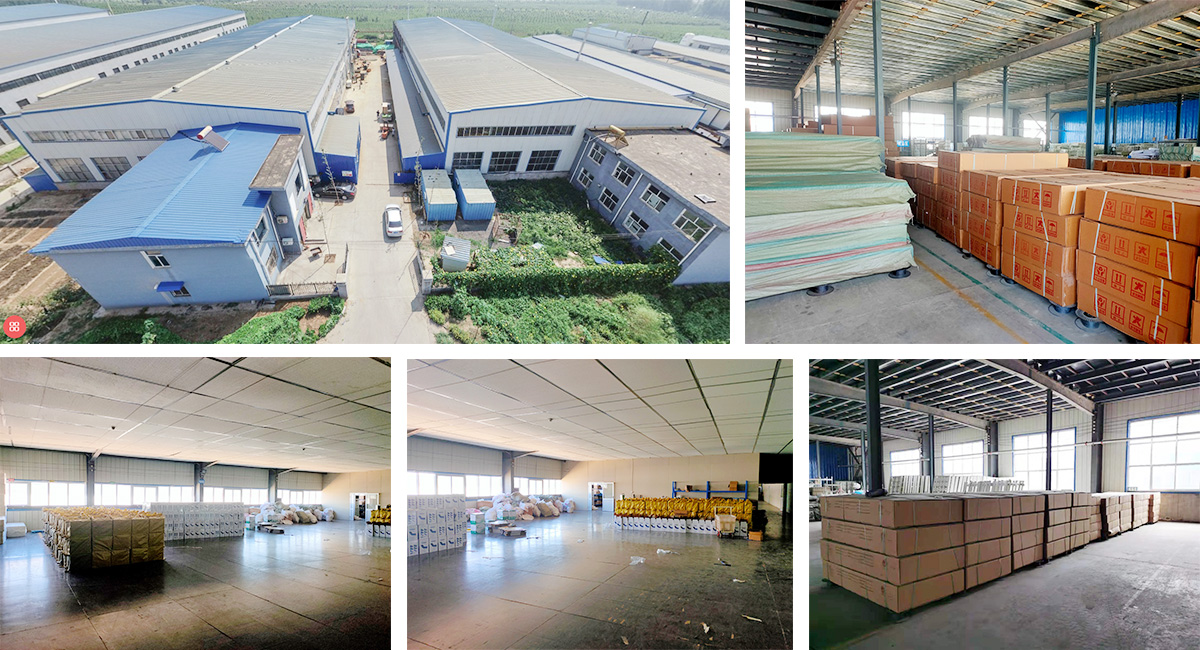
With advanced production facilities and strict quality control systems, Hangzhou RosMed Medical Co., Ltd. ensures that all products meet global certifications and regulatory requirements. The company also actively supports OEM and ODM services, enabling partners to develop customized solutions tailored to specific market needs.
Driven by a customer-centric philosophy, RosMed has built long-term partnerships with distributors, hospitals, and healthcare organizations worldwide. Today, it continues to grow as a trusted supplier in the medical consumables industry, dedicated to improving patient safety and supporting modern healthcare systems globally.
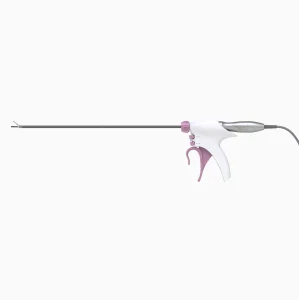
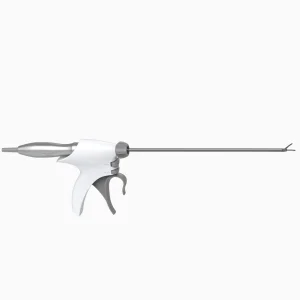
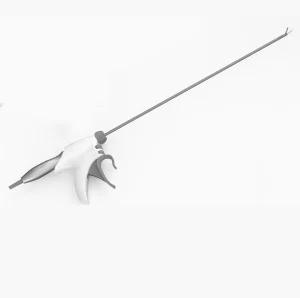
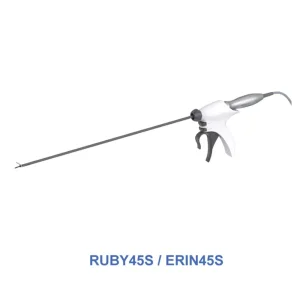
As an established Exporter of Telehealth-ready Surgical Instruments, our expertise lies in the precision engineering of ultrasonic systems. Our ultrasonic scalpels operate at frequencies that minimize thermal damage to surrounding tissues—a critical requirement for the high-precision environment of robotic and remote surgery.
 RosMed Medical