Basic Info.
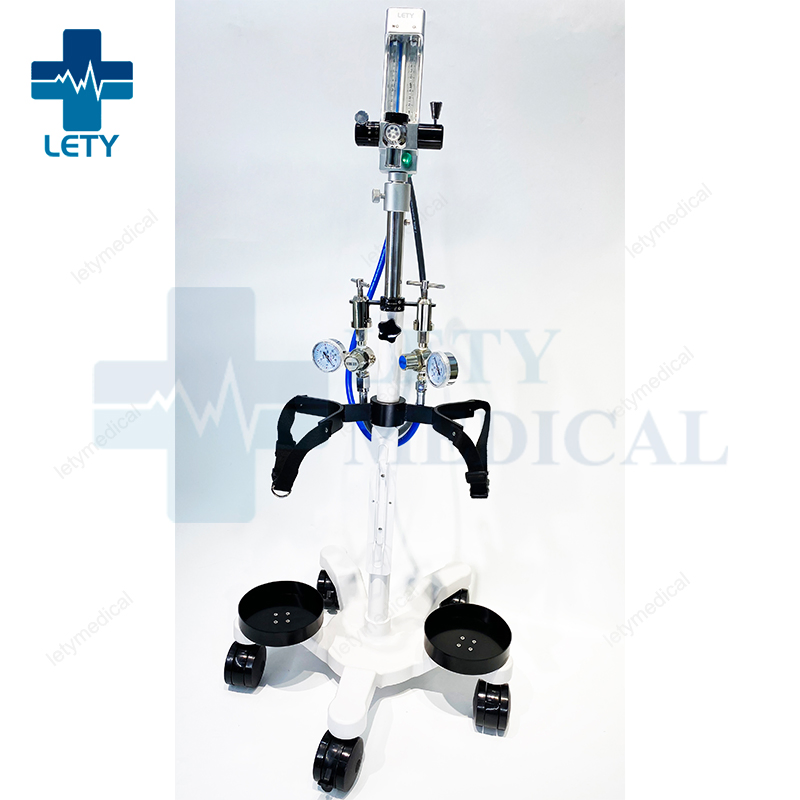
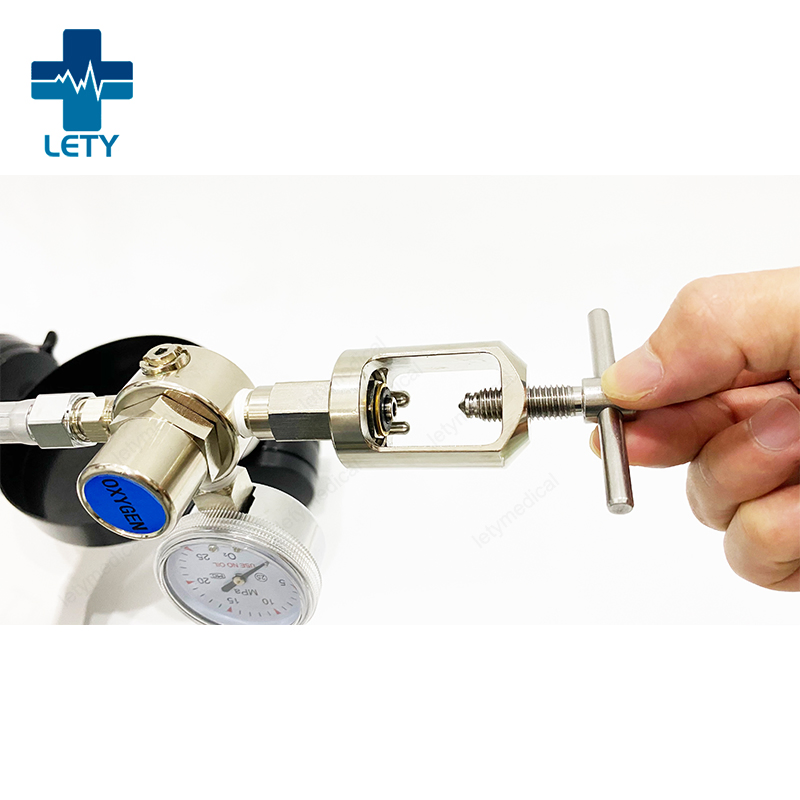
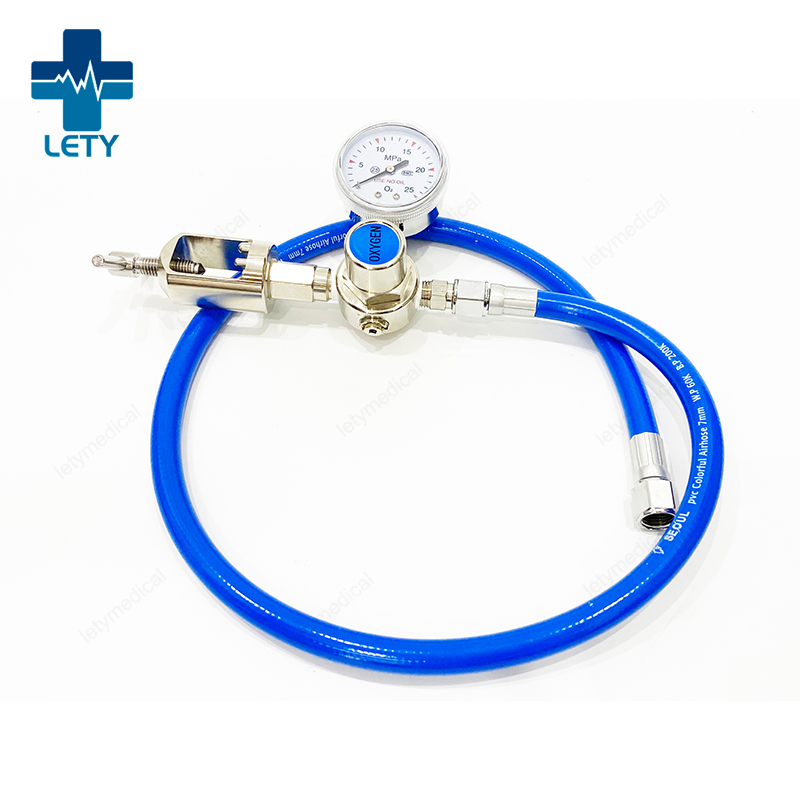
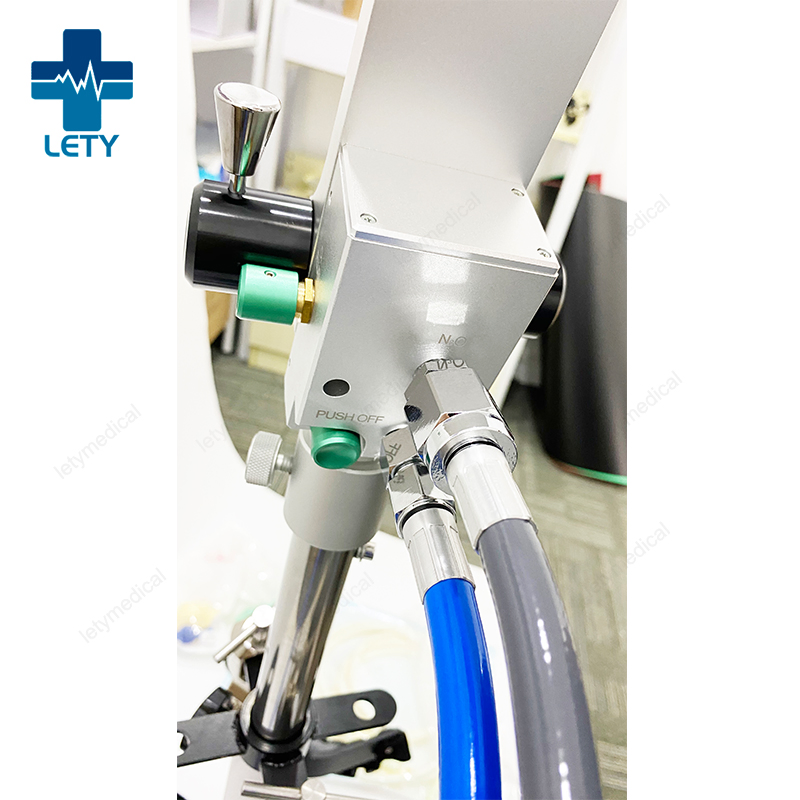
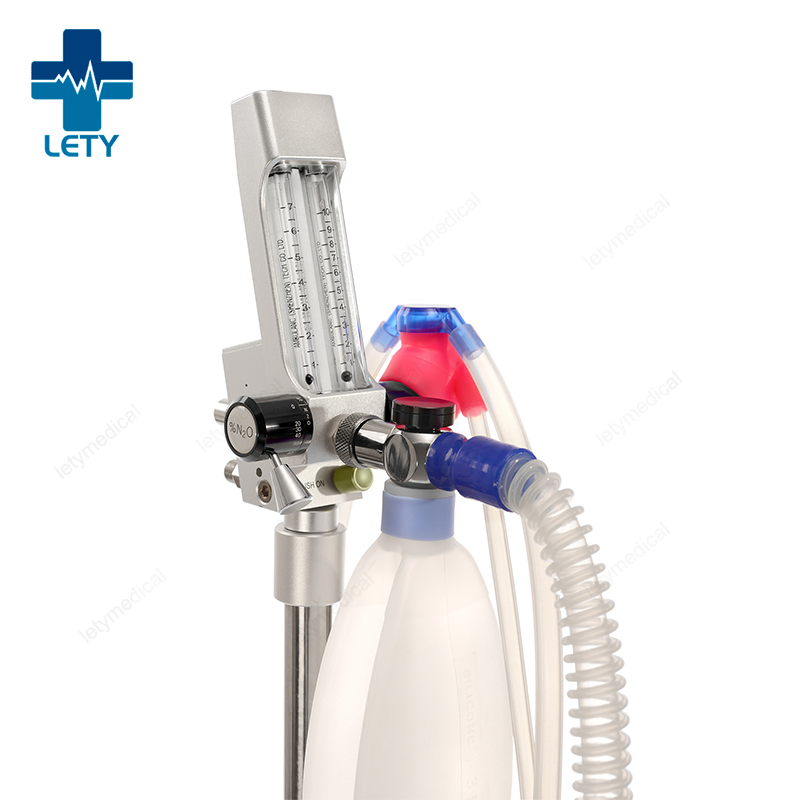
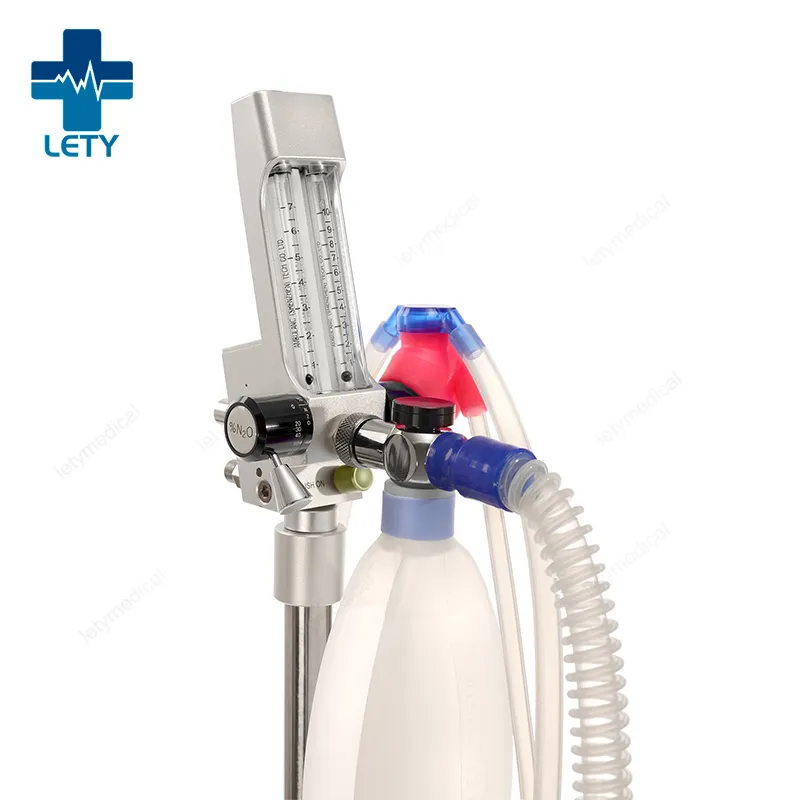
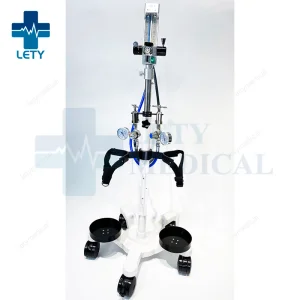
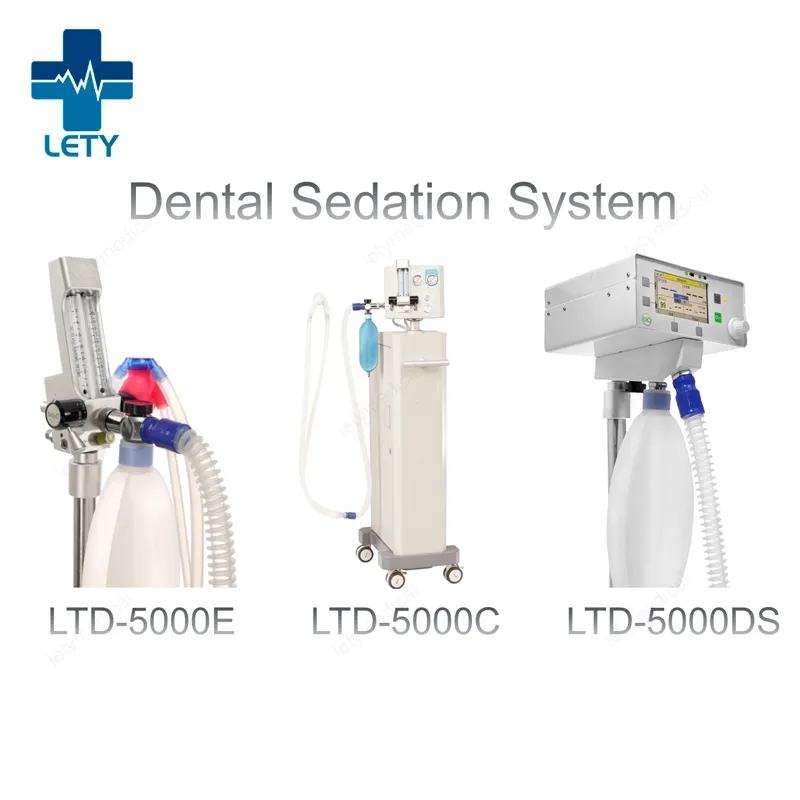
Dental Conscious Sedation System Nitrous Oxide Oxygen Sedation System
Introduction
Nitrous oxide sedation has been widely used in clinical practice for 160 years. When the patient is conscious, inhalation of proportionally mixed N2O and O2 is universally recognized as the safest, most effective and receptive way of sedation. It has remained as one of the most widely used anesthetics in both dental and medical applications.
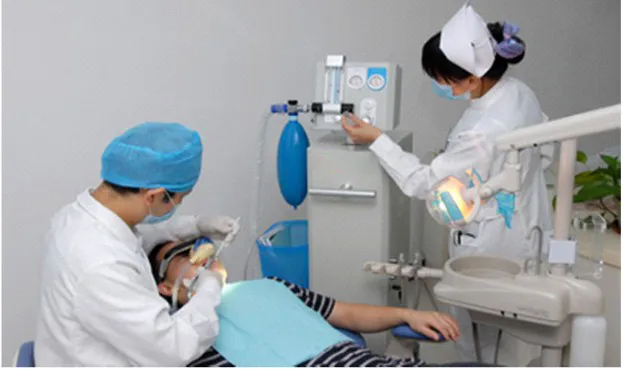
Our Nitrous Oxide Sedation System bases on advanced technology and provides a new dental sedation solution which is widely accepted by patients especially for children, patients with coronary heart diseases and high blood pressure because of the excellent quality. After breathing in, it is very effective in 30 to 40 seconds, and the affection will disappear after stopping breathing. The notable feature is strong analgesic effect and weak anesthesia effect.
Mixing Ratio
N2O: 0-70%; O2: 30%-100%
O2 Supplement
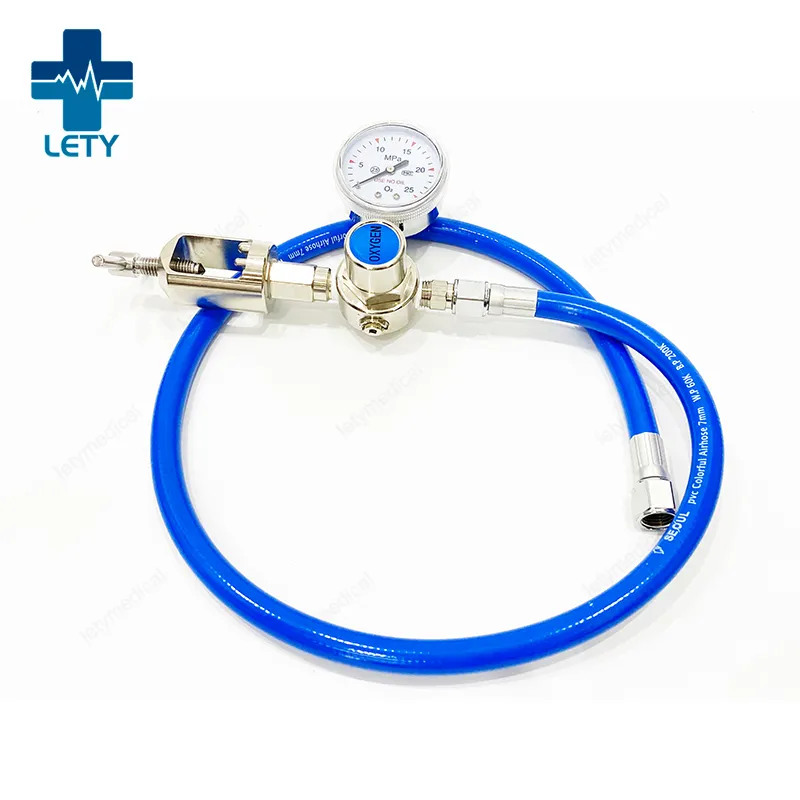
Quick supplement not less than 17L/min
Standard Config
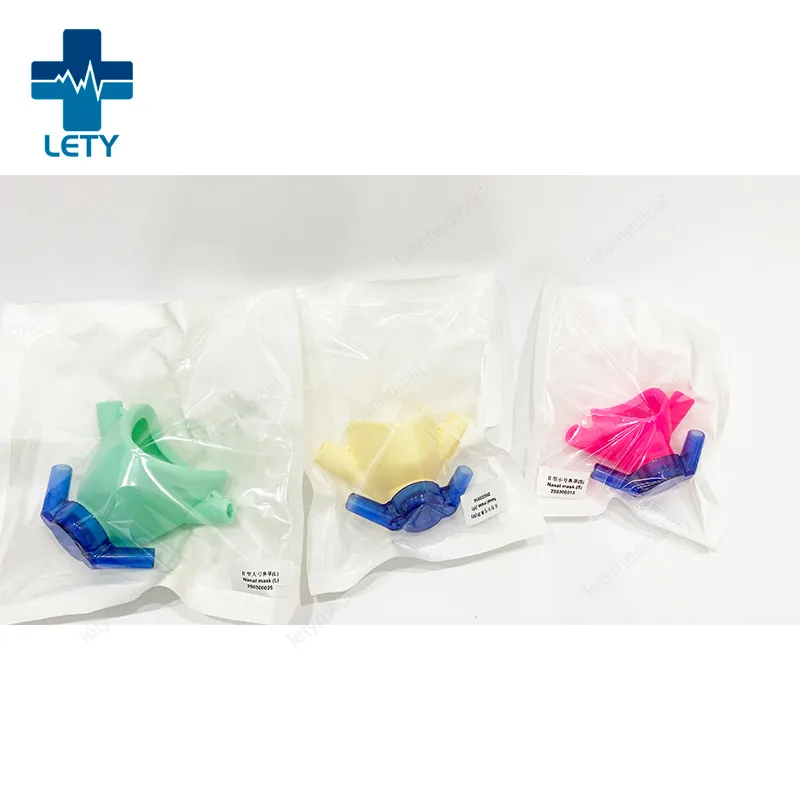
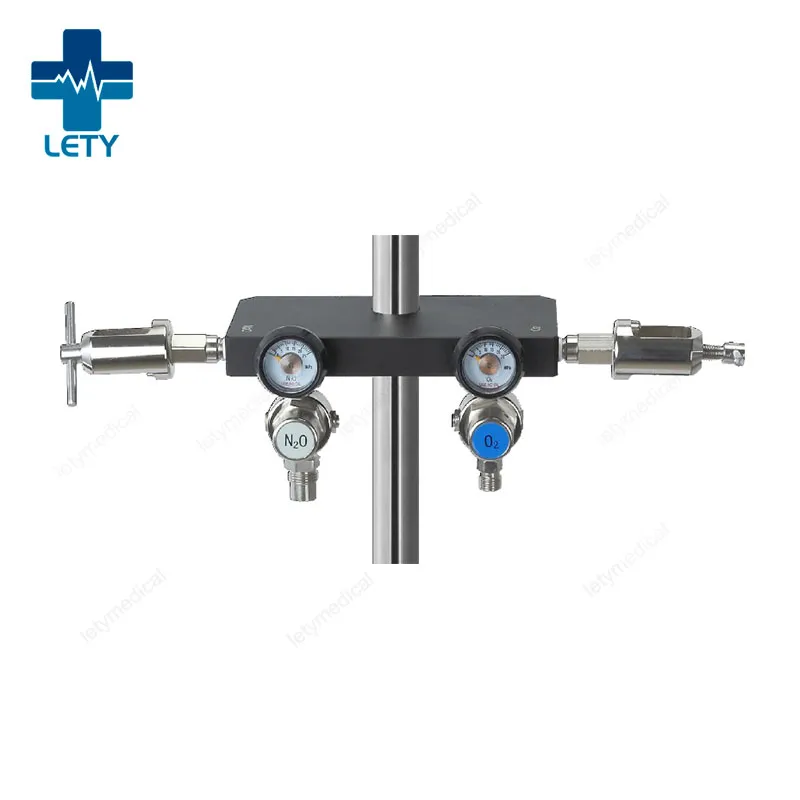
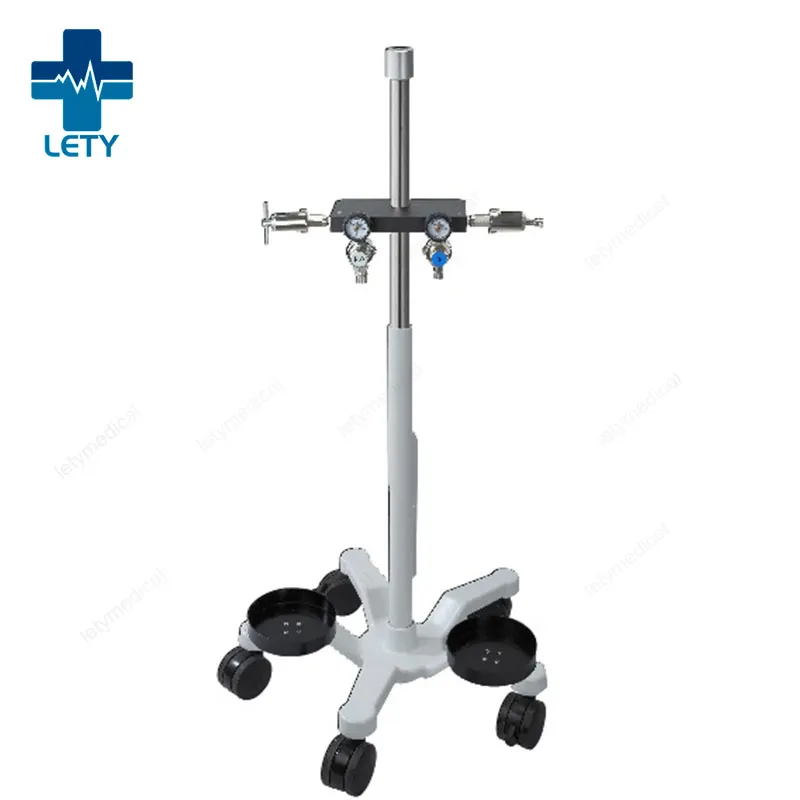
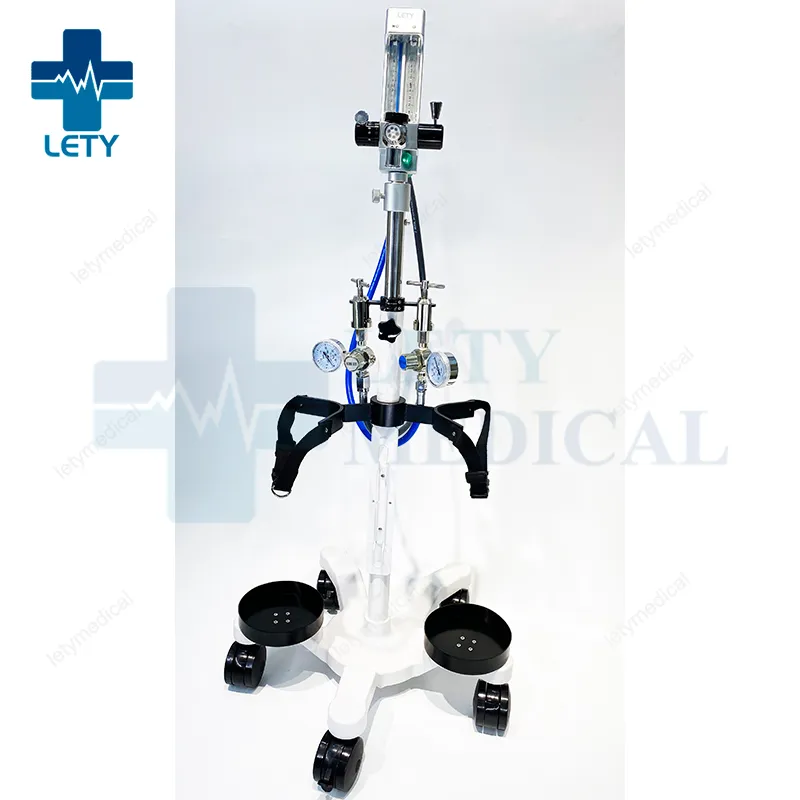
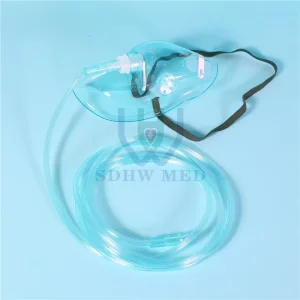
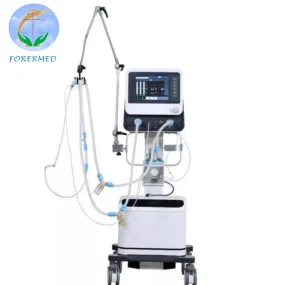
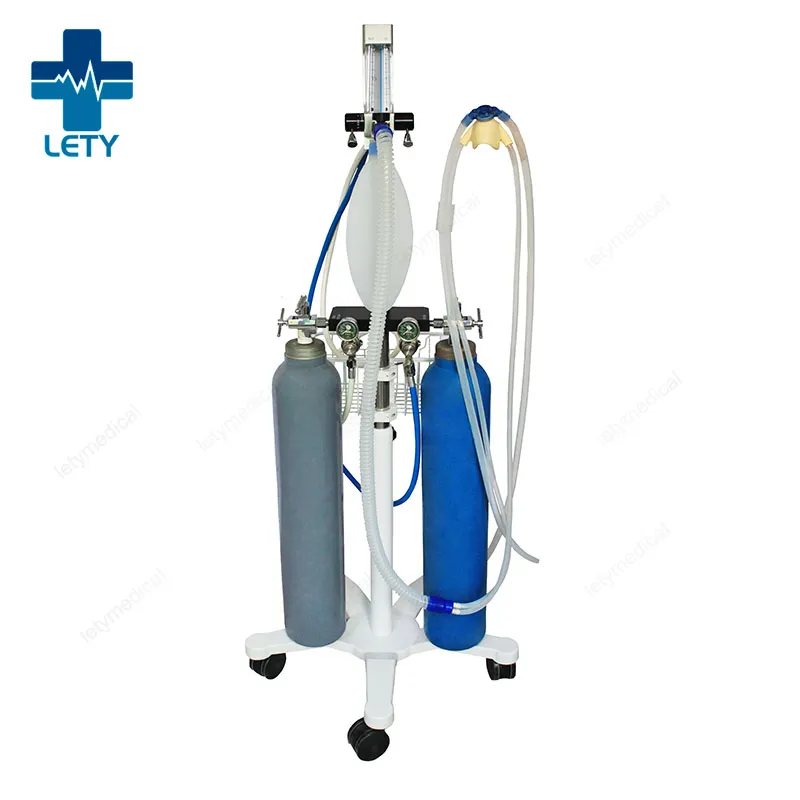
Flow meter, bag tee, double mask scavenger, respiratory pipeline
Optional Items
HEPA filter, autoclavable mask, disposable mask, demand valve resuscitator
Frequently Asked Questions
How safe is the Nitrous Oxide Sedation System?
It is universally recognized as one of the safest sedation methods in dentistry. The system includes safety valves and automatic N2O shut-off features to ensure patient safety at all times.
Can this system be used for children?
Yes, it is widely accepted for pediatric use. It helps reduce anxiety and pain without affecting the child's ability to breathe independently or maintain active throat reflexes.
How quickly does the sedation take effect?
The effect is very rapid, typically becoming effective within 30 to 40 seconds after inhalation begins.
Does the patient remain conscious during the procedure?
Yes, patients remain sober and conscious, allowing them to cooperate with the dentist throughout the operation.
How long does it take for the effects to wear off?
The effects disappear almost immediately after the patient stops breathing the N2O mixture and switches to pure oxygen.
Are there any specific medical conditions where this is beneficial?
It is particularly beneficial for patients with dental anxiety, high blood pressure, or coronary heart disease, as it maintains stable vital signs and reduces stress-induced responses.
 RosMed Medical