RosMed Medical
1 / 5
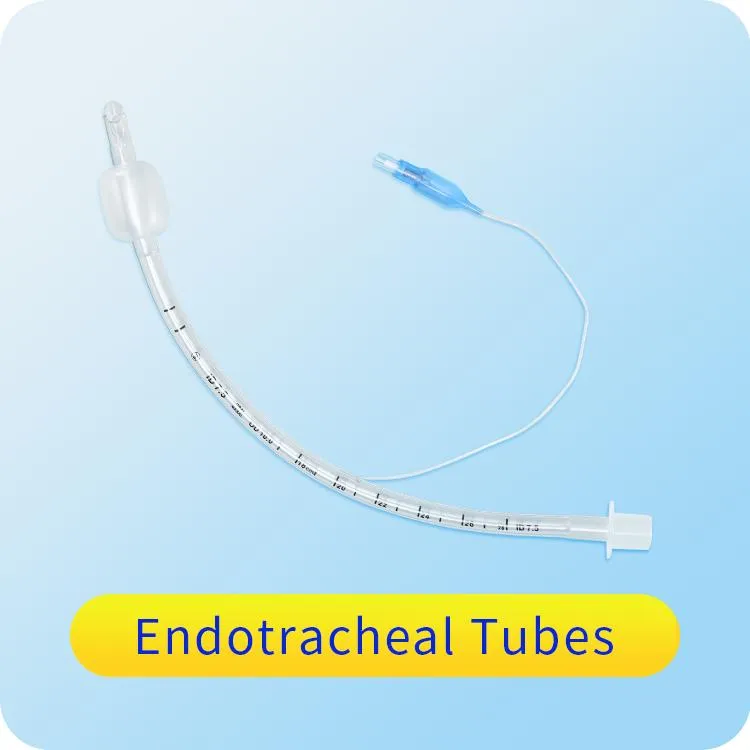
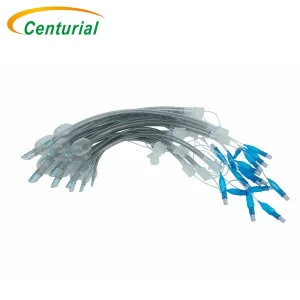
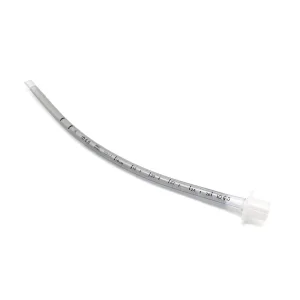
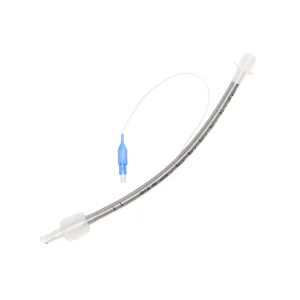
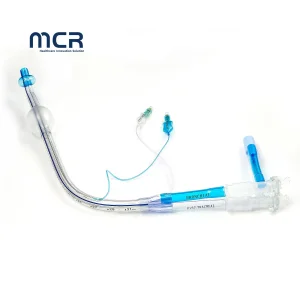
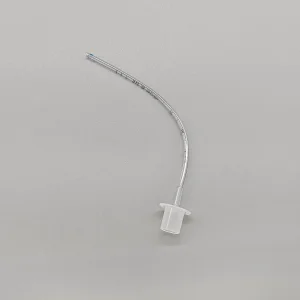
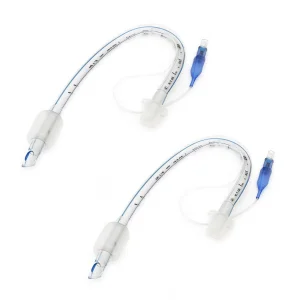
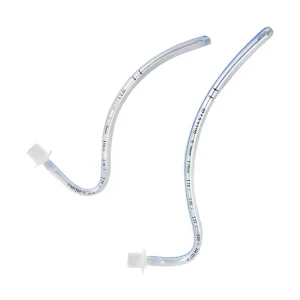
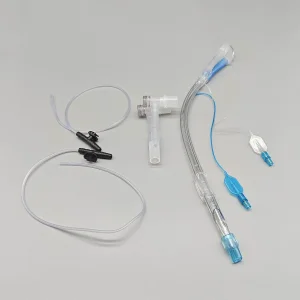
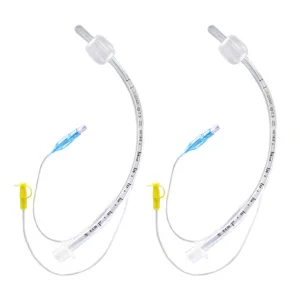
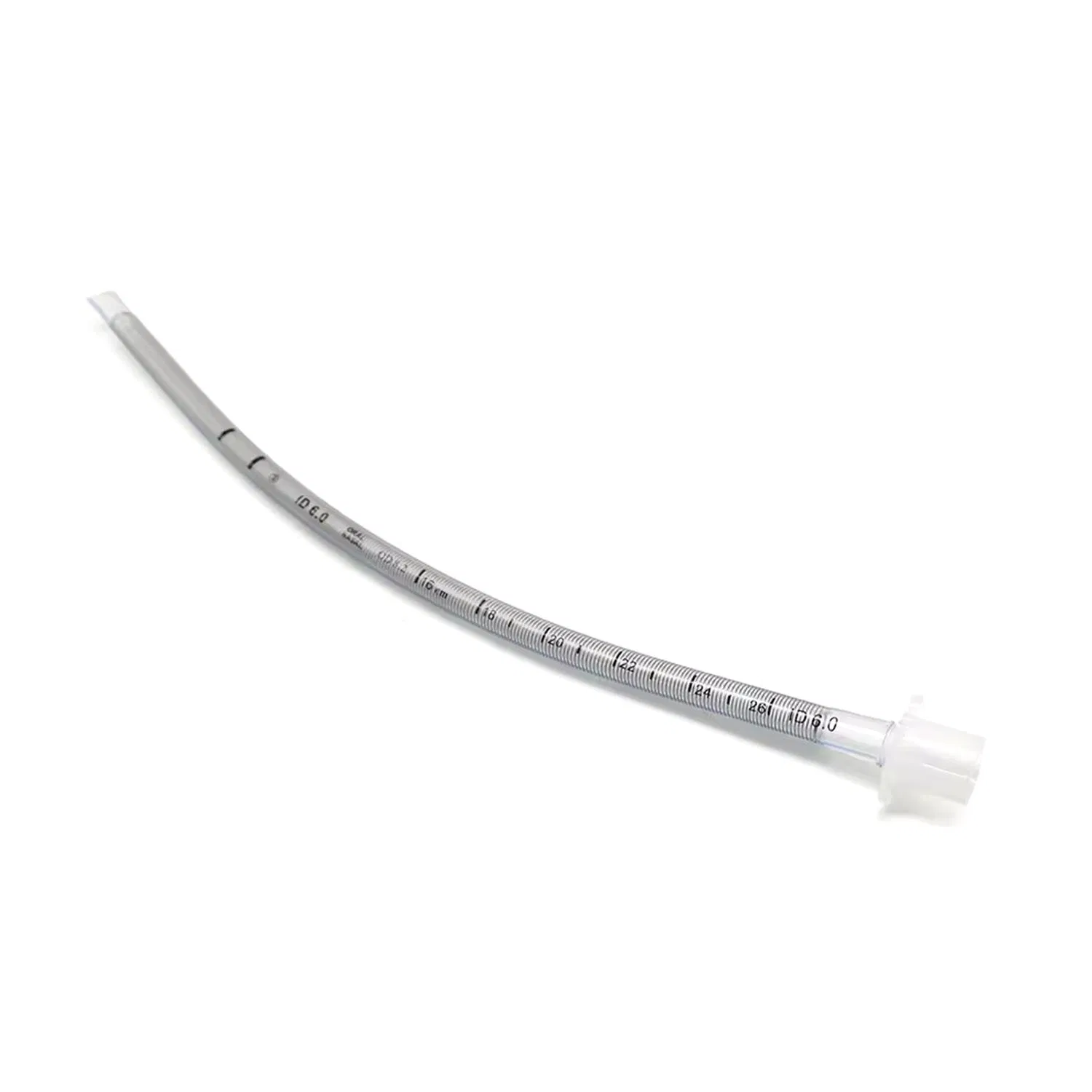
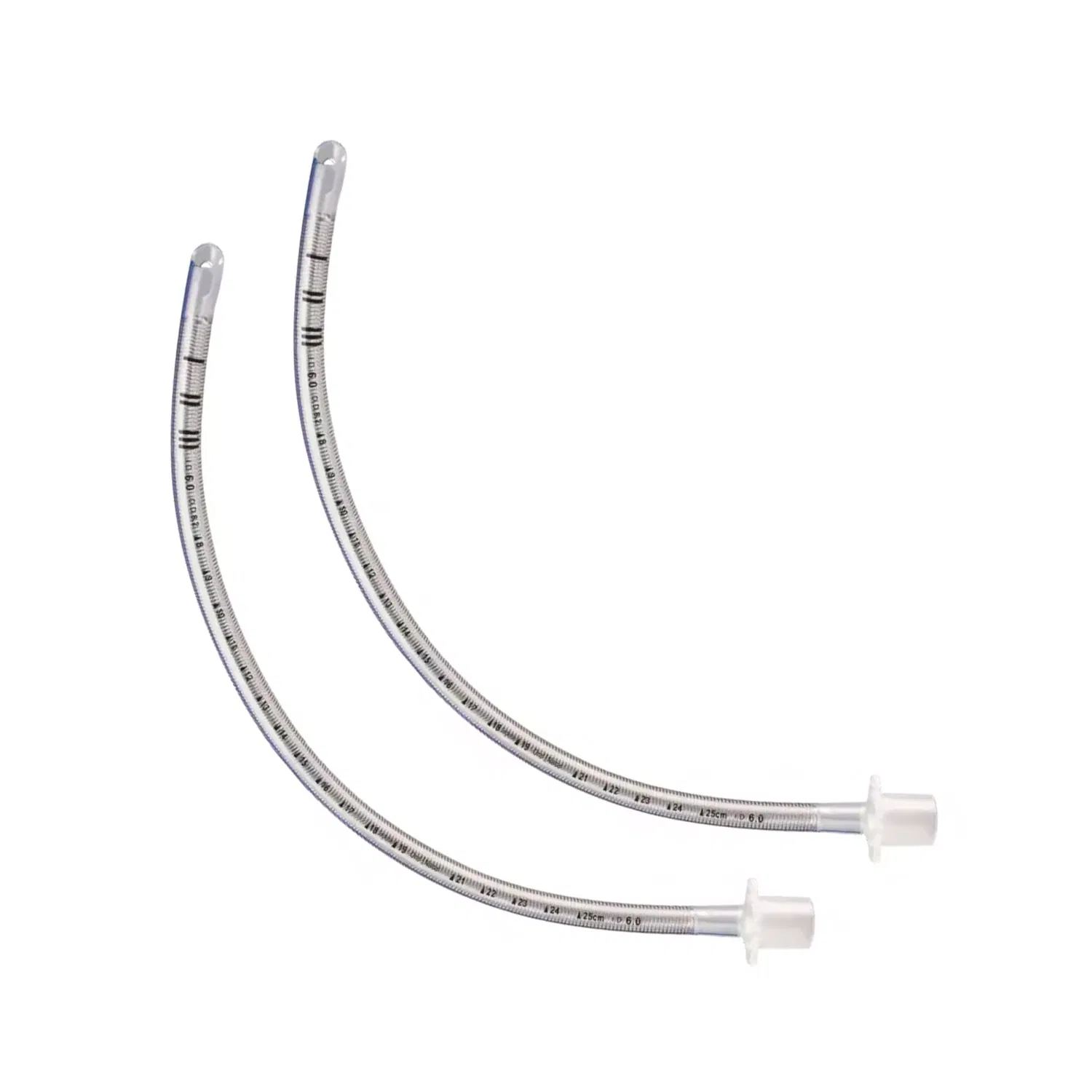
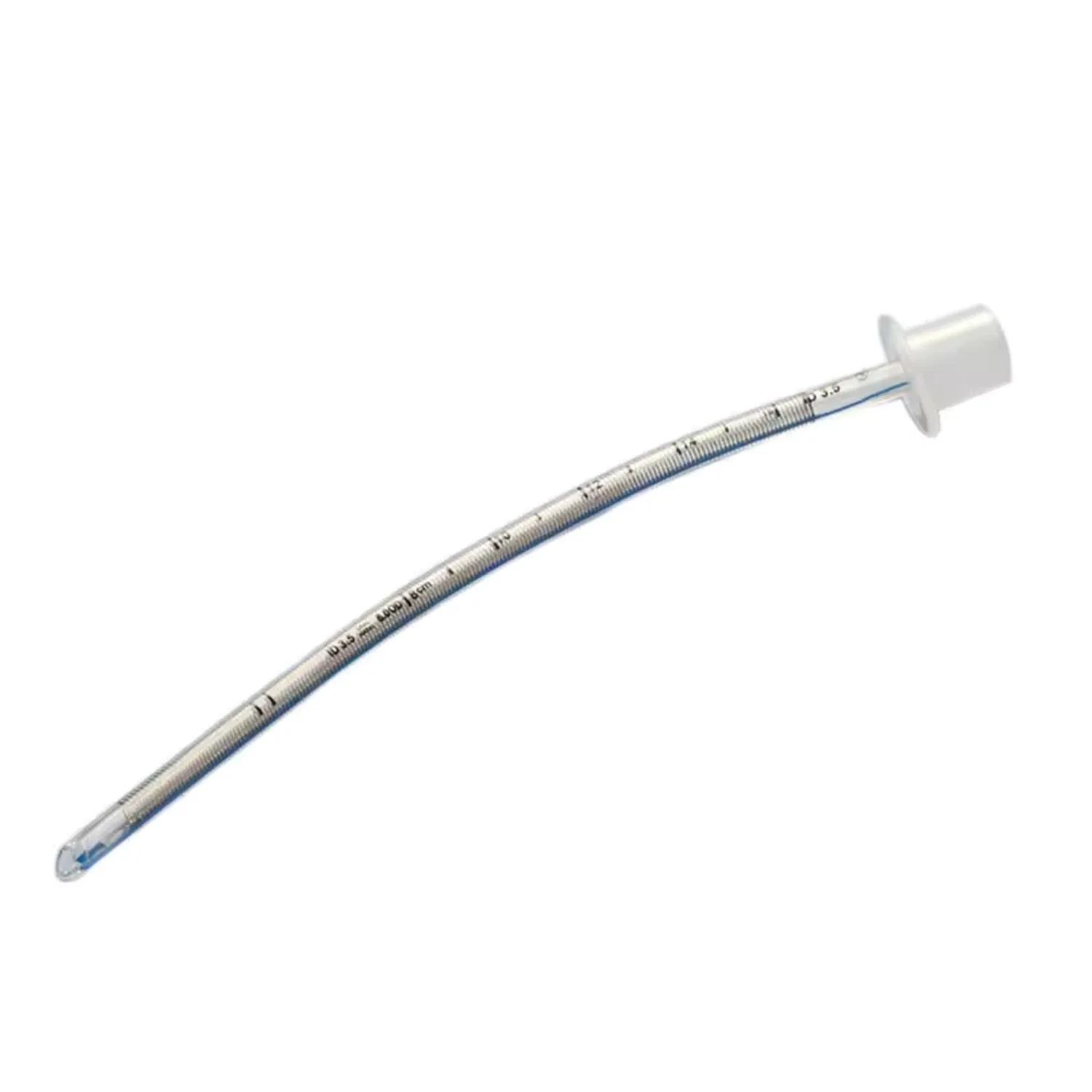
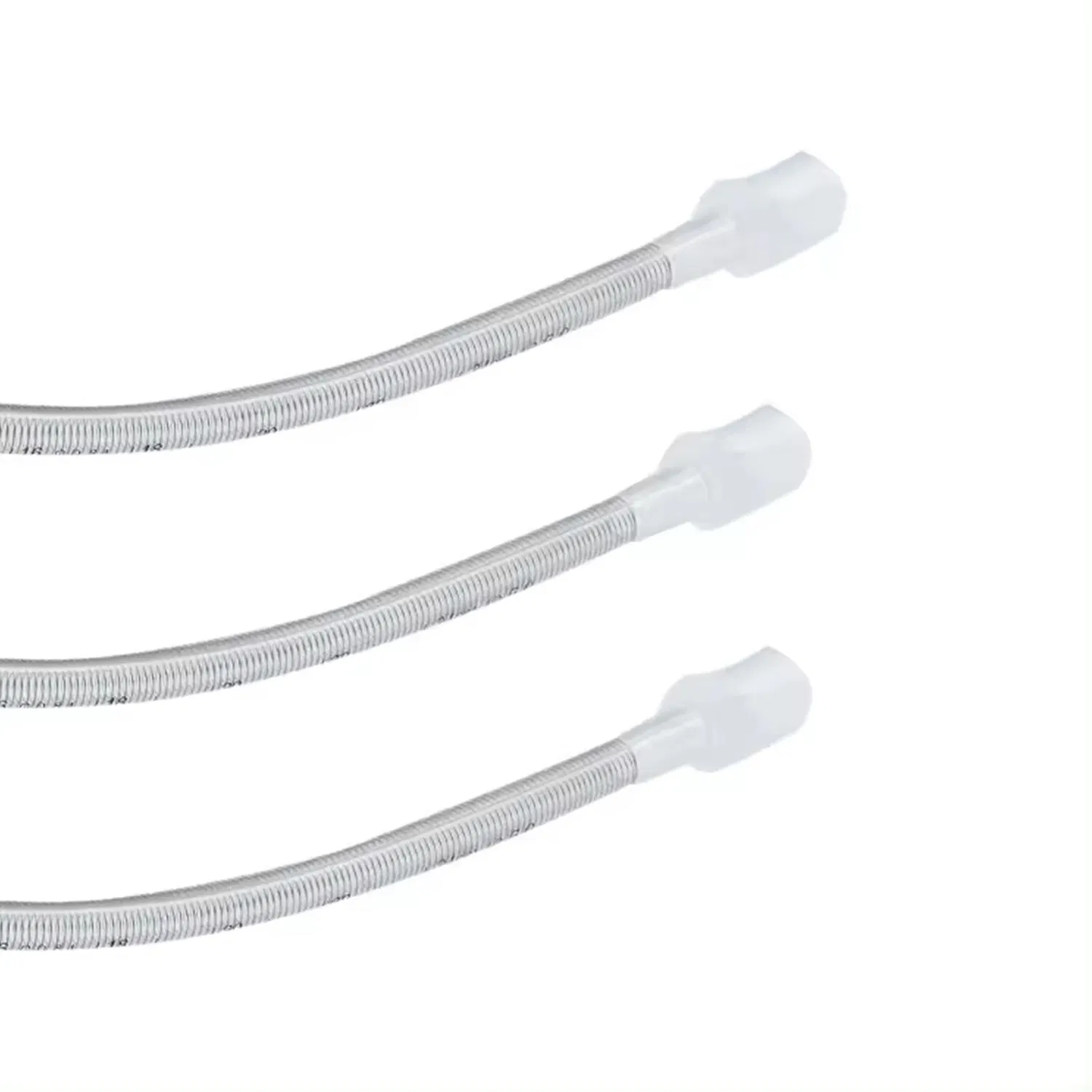
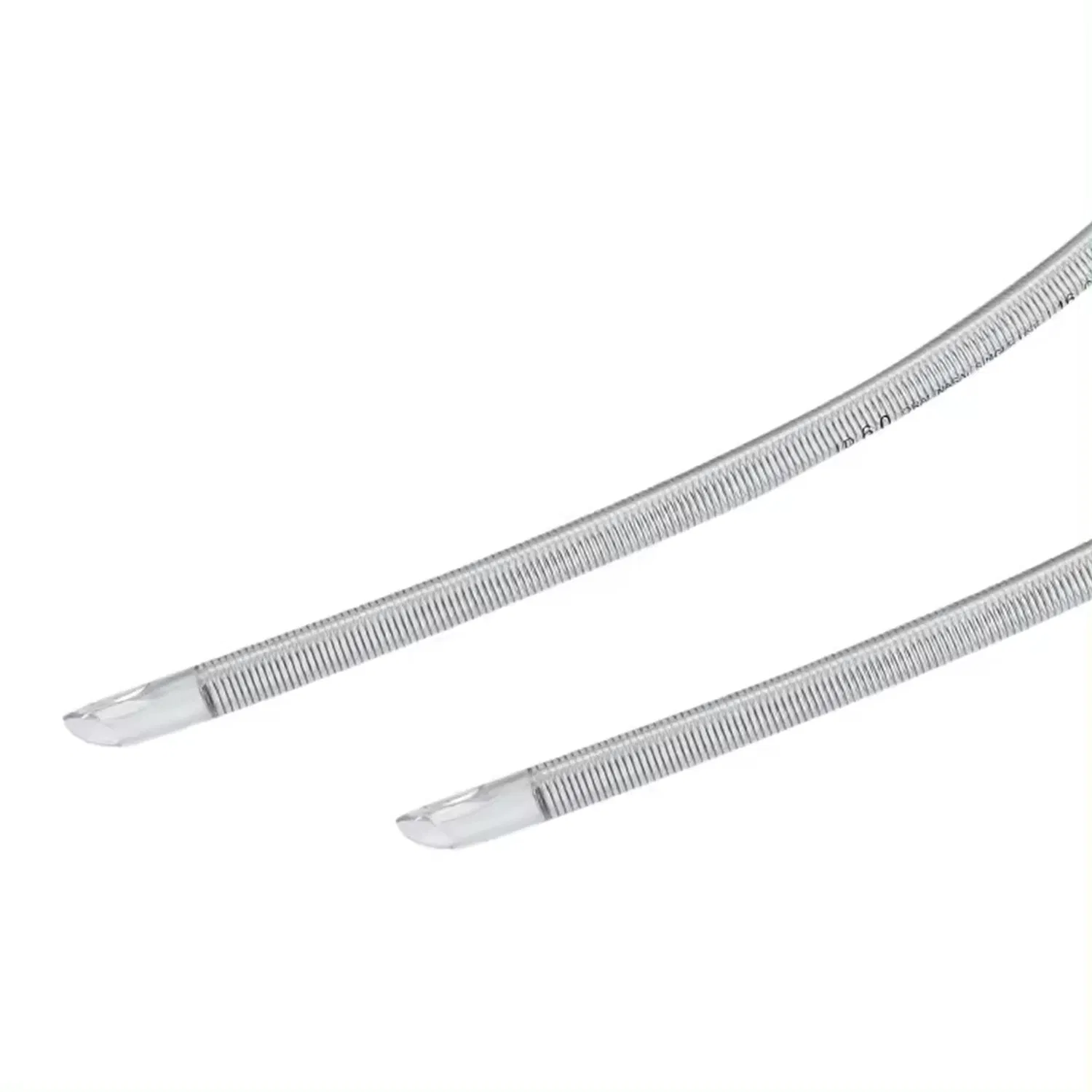
The reinforced endotracheal tube is airway management through oral or nasal intubation of the trachea during anesthesia. This device is inserted into the trachea to facilitate breathing, especially in situations where the patient's neck movement is restricted or when the patient is in a prone position to prevent kinking of the tube.
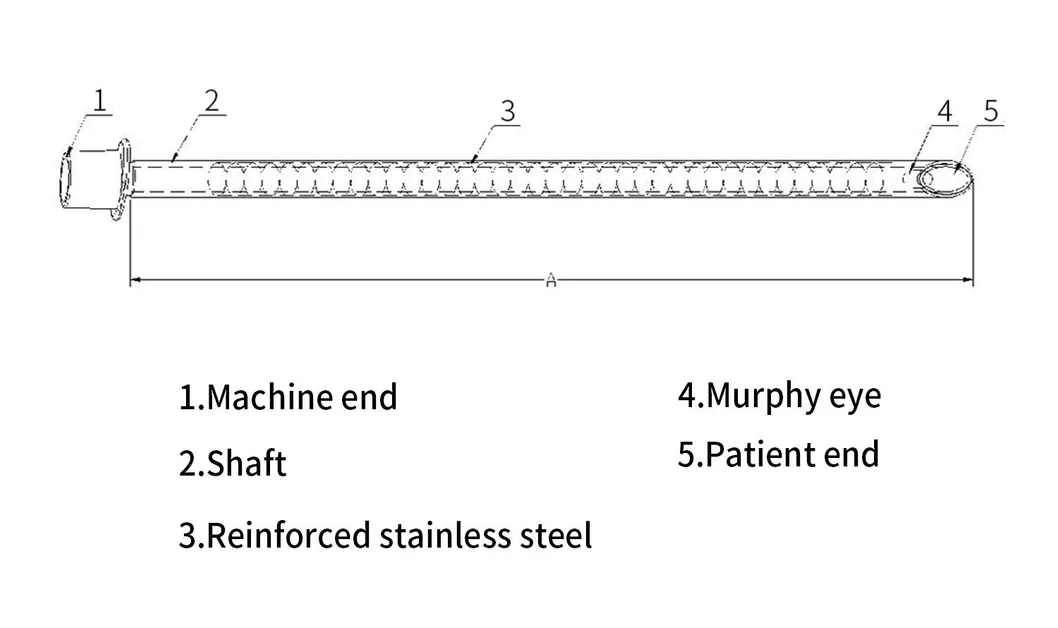
Features: Murphy Eye, For anaesthesia and intensive care, X-ray detectable.
| Specifications | Nominal ID (mm) | Nominal OD (mm) | Min. Length (mm) |
|---|---|---|---|
| Reinforced Uncuffed 3.5mm | 3.5 | 6.0 | 180 |
| Reinforced Uncuffed 4.0mm | 4.0 | 6.7 | 200 |
| Reinforced Uncuffed 4.5mm | 4.5 | 7.3 | 220 |
| Reinforced Uncuffed 5.0mm | 5.0 | 7.7 | 240 |
| Reinforced Uncuffed 5.5mm | 5.5 | 8.3 | 270 |
| Reinforced Uncuffed 6.0mm | 6.0 | 9.0 | 280 |
| Reinforced Uncuffed 6.5mm | 6.5 | 9.7 | 290 |
| Reinforced Uncuffed 7.0mm | 7.0 | 10.3 | 300 |
| Reinforced Uncuffed 7.5mm | 7.5 | 11.0 | 310 |
| Reinforced Uncuffed 8.0mm | 8.0 | 11.7 | 320 |
| Reinforced Uncuffed 8.5mm | 8.5 | 12.3 | 320 |
| Reinforced Uncuffed 9.0mm | 9.0 | 13.0 | 320 |
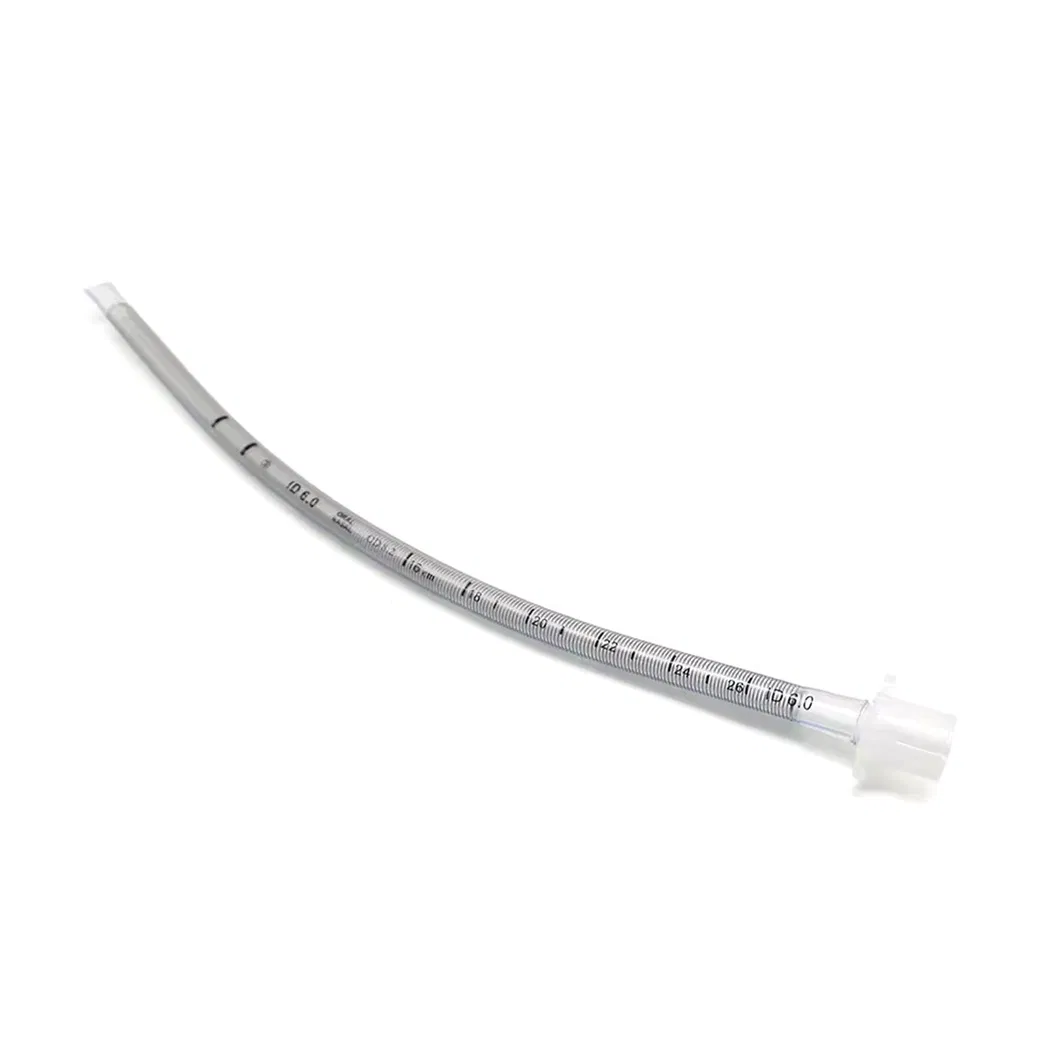
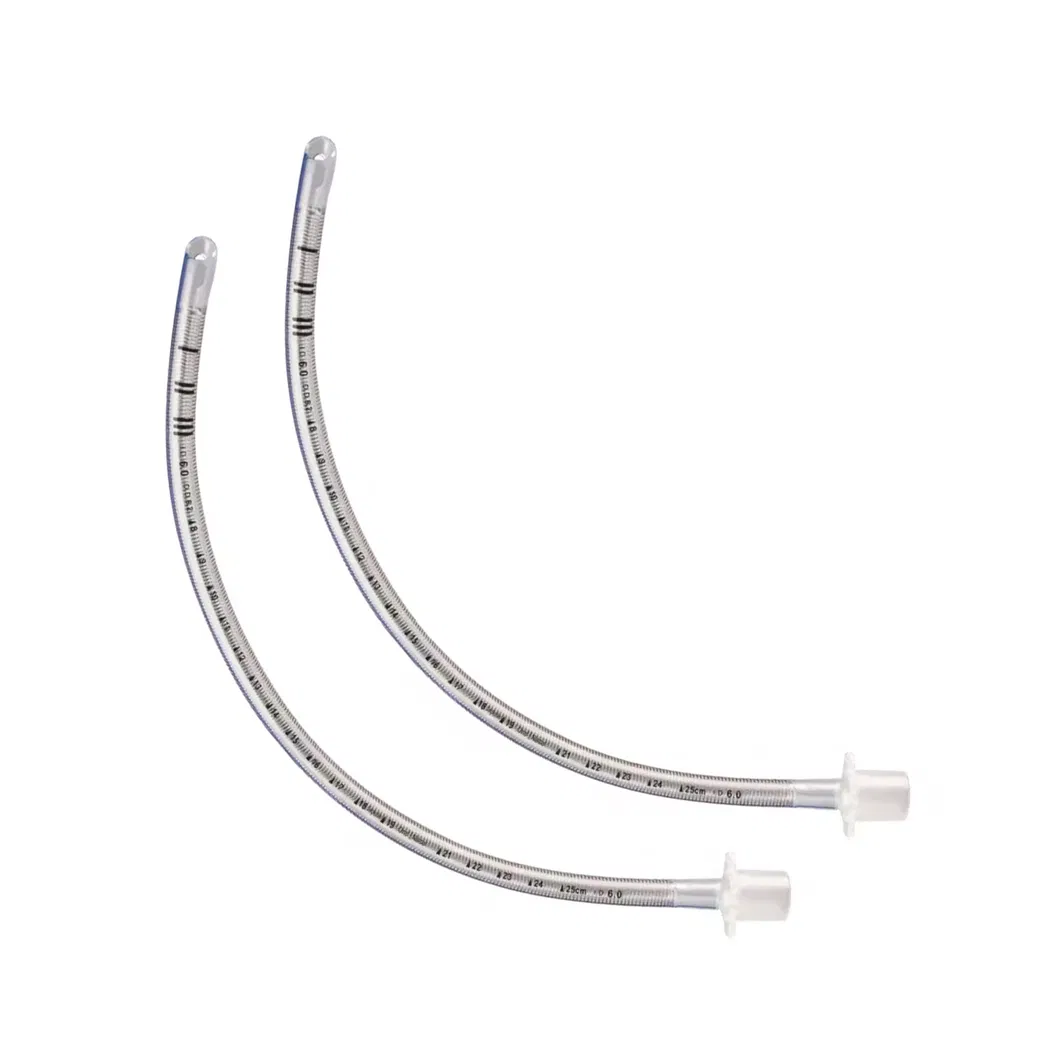
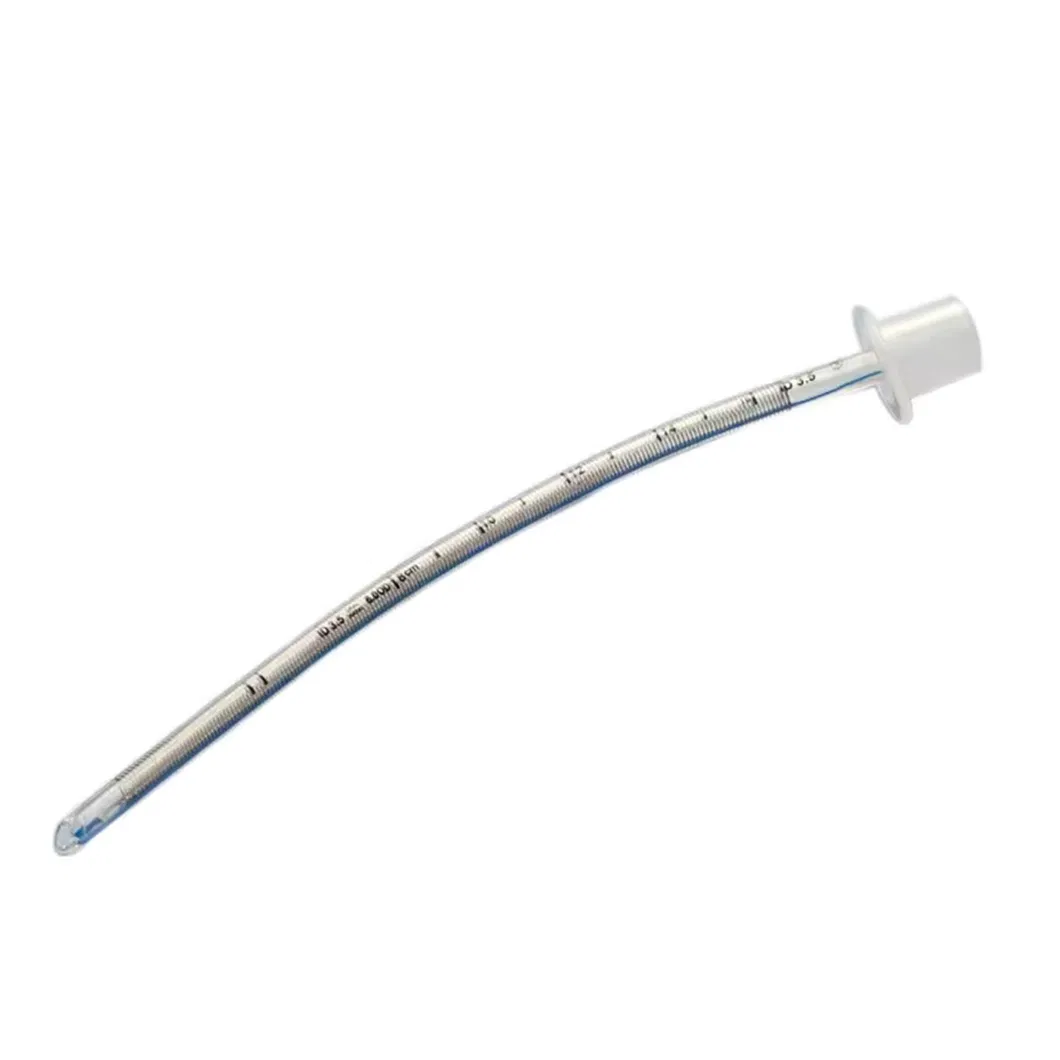
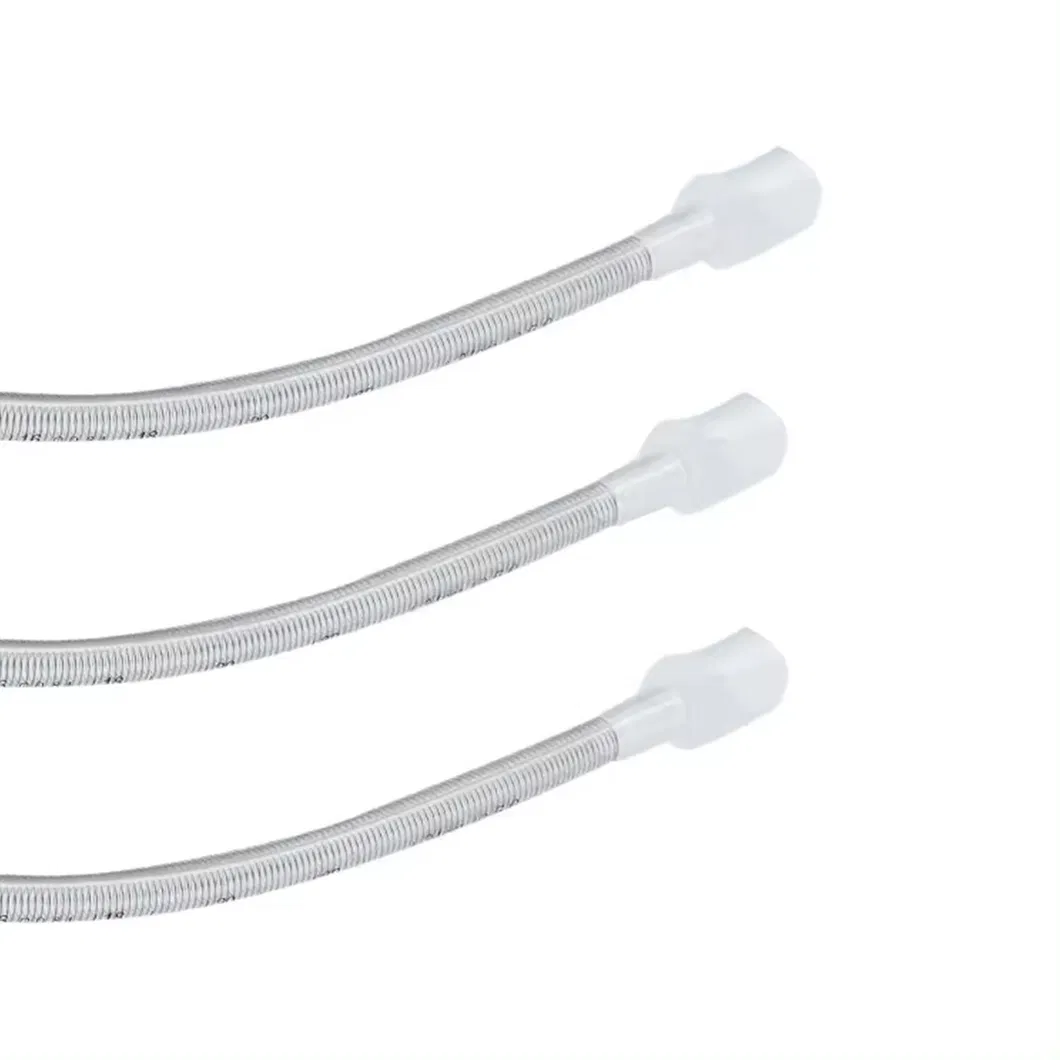
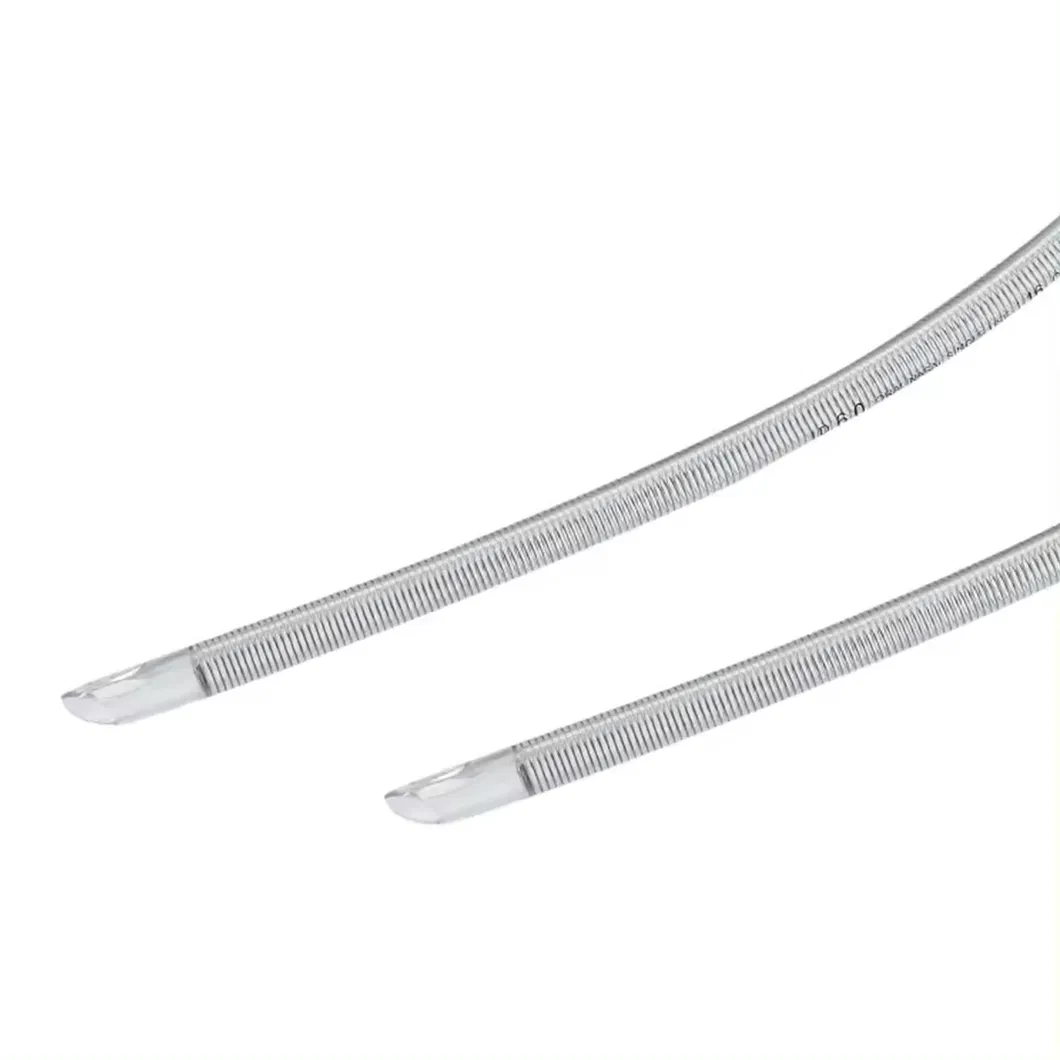
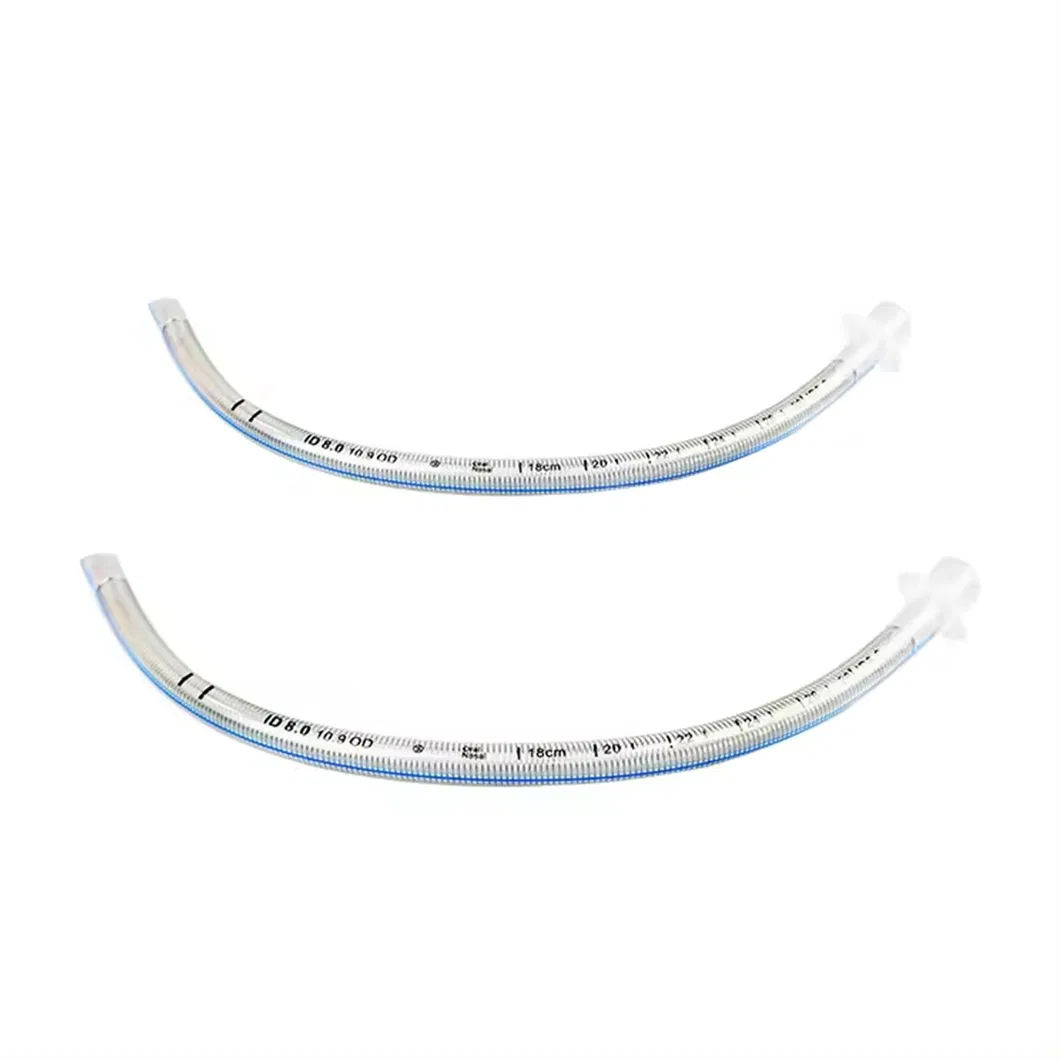
Intended Purpose: Establish and maintain a patent airway and ensure adequate exchange of oxygen and carbon dioxide.
Instructions for Use:
Contraindications: Throat edema, acute inflammation of trachea, tracheal compression, severe bleeding, cervical spinal injuries.
Cautions: